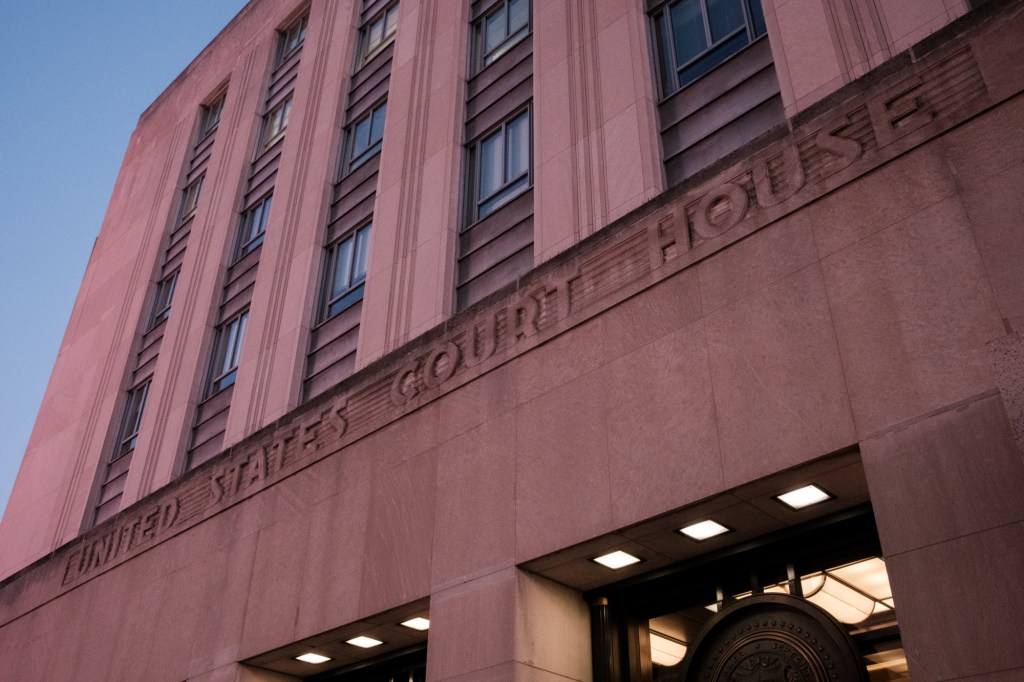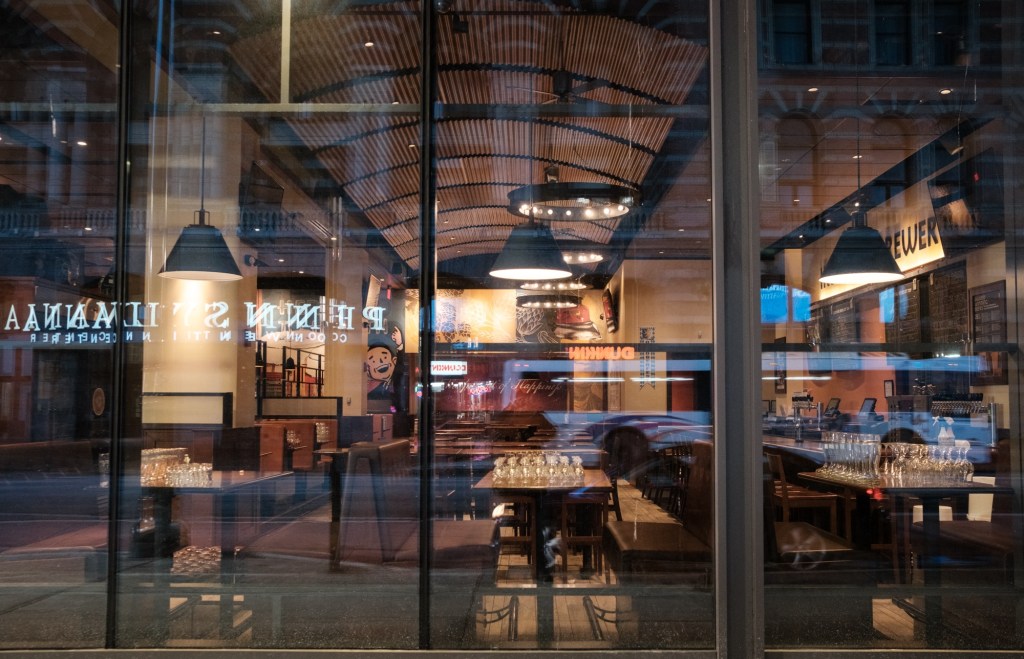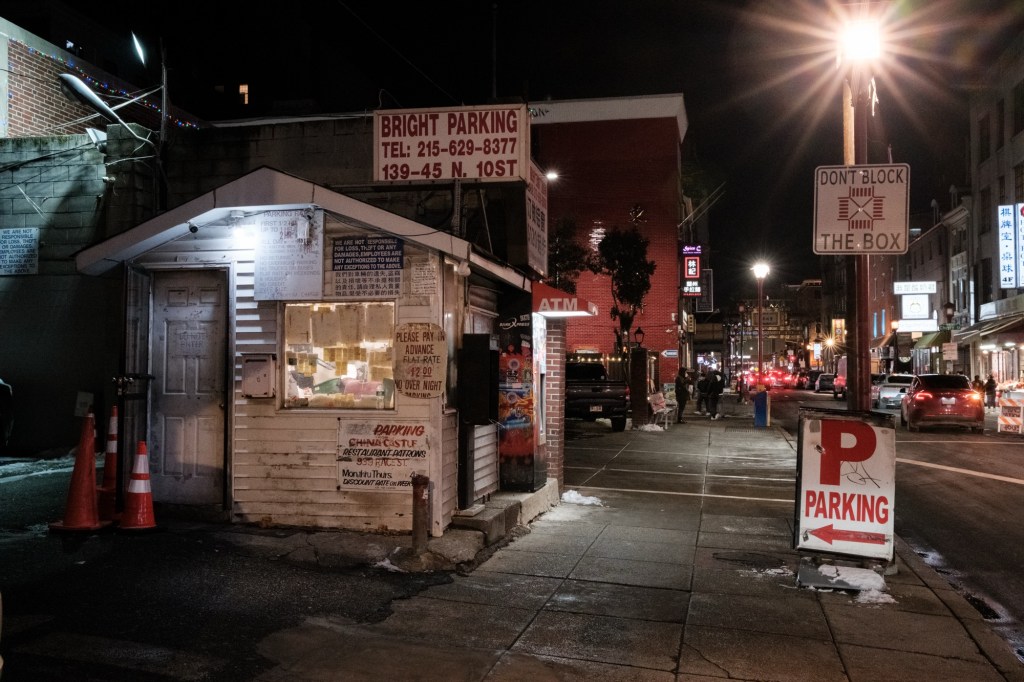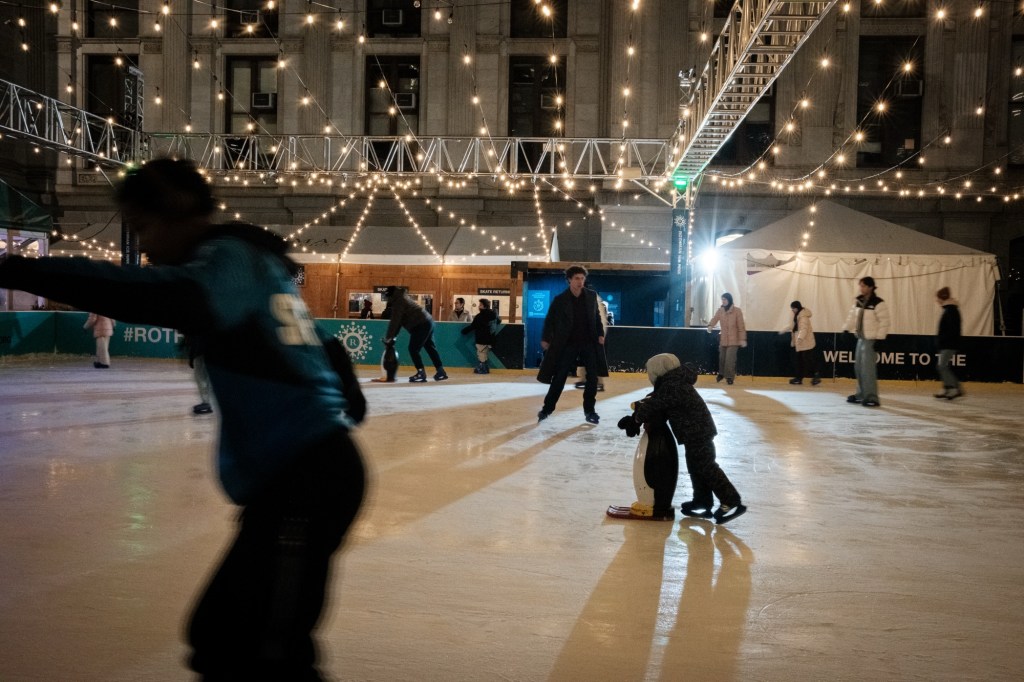
3 Emulsions: Part 1

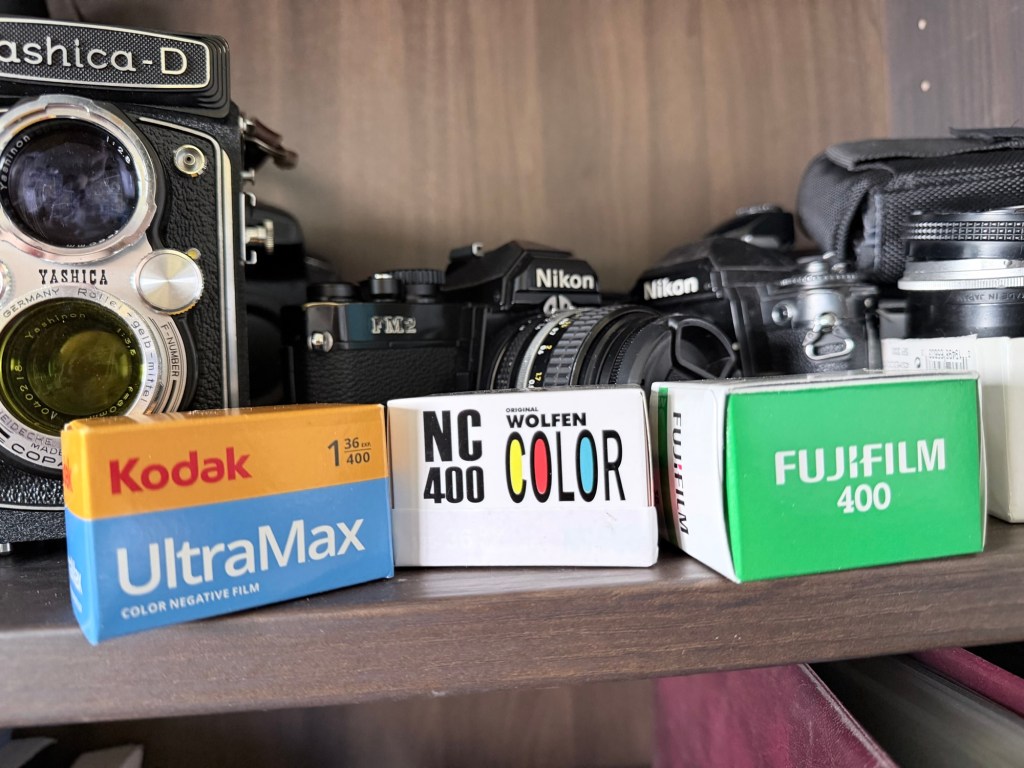
Kodak UltraMax400

Since Fuji Superia400X has been discontinued 😦 I’m trying out a couple different ISO400 C-41 film stocks. The political economy of film photography is… well… weird RN… and film pricing is responding to inflation, fashion, private equity capital flows and the market distortions caused by Kodaks 2012 bankruptcy that are still rattling around the global economy. I don’t really obsess about which color film I use. My target is an under $10/36exposure roll of ISO400 C-41 process film for everyday work. When I find one that works for me I buy a brick, stash it in the freezer and use it till it’s gone.

One thing I liked about Superia was it did this when you overexposed it 1 stop… You got increased saturation, contrast and a bump in shadow detail without blowing out highlights. It also shifted a bit warmer without getting weird.:

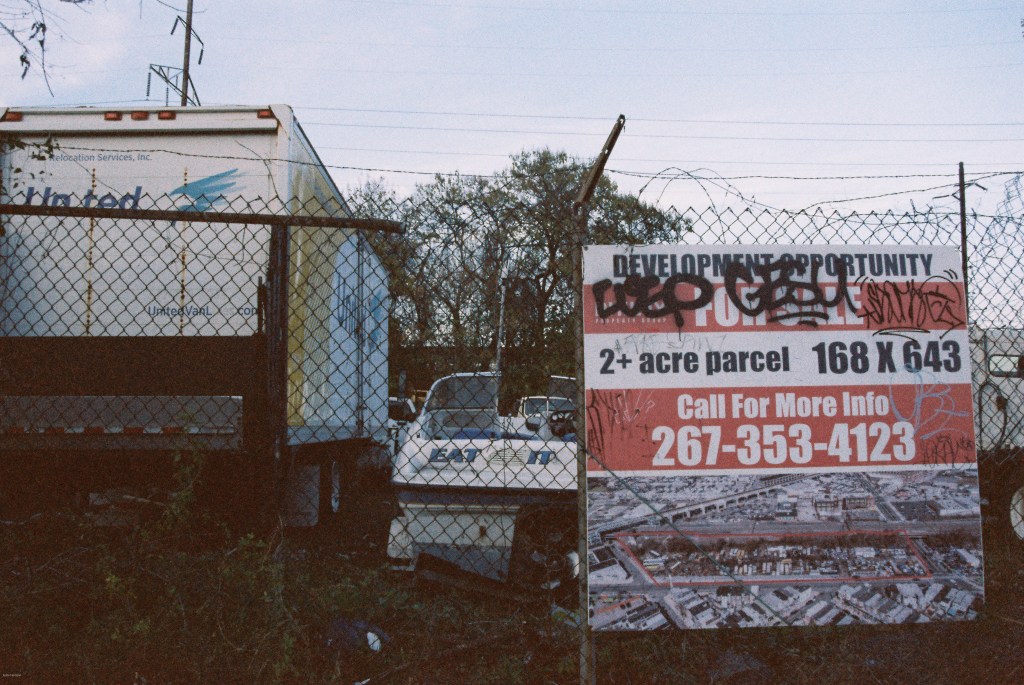
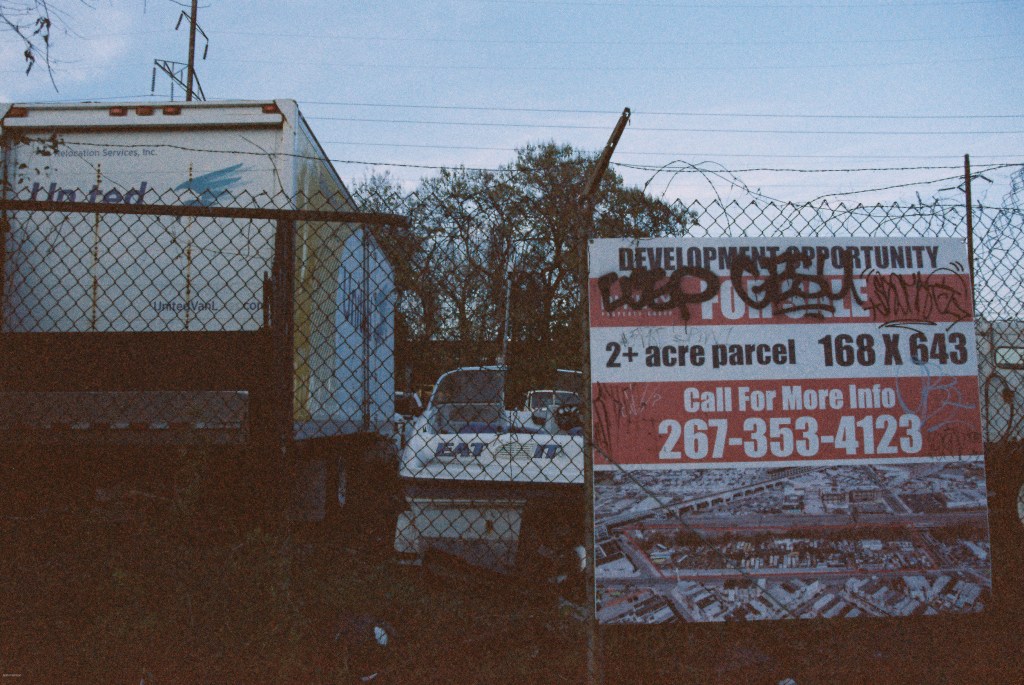
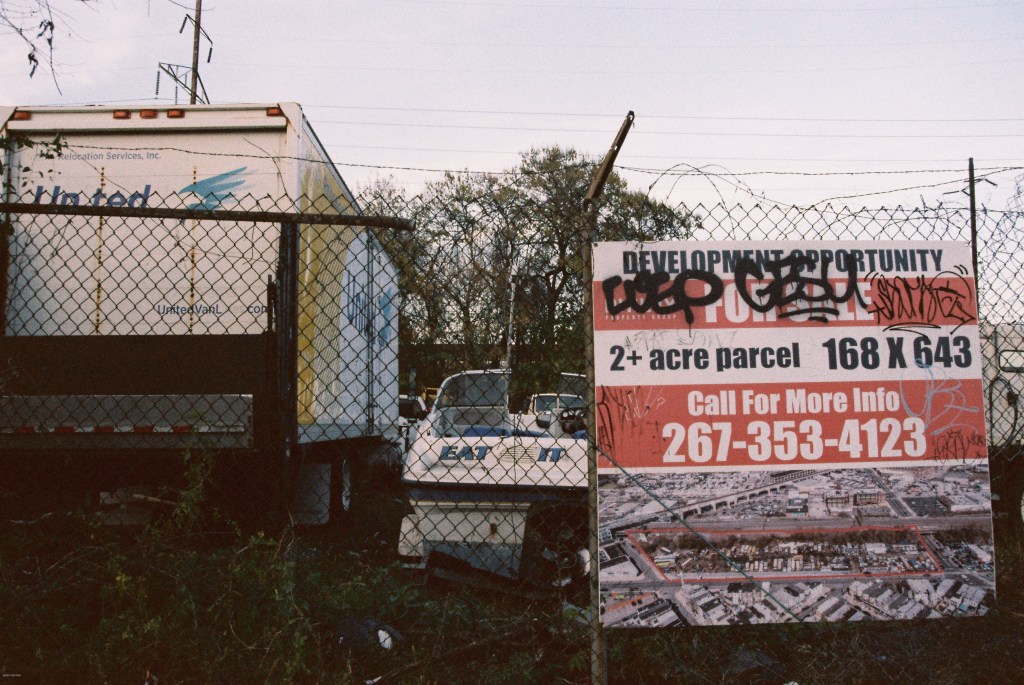
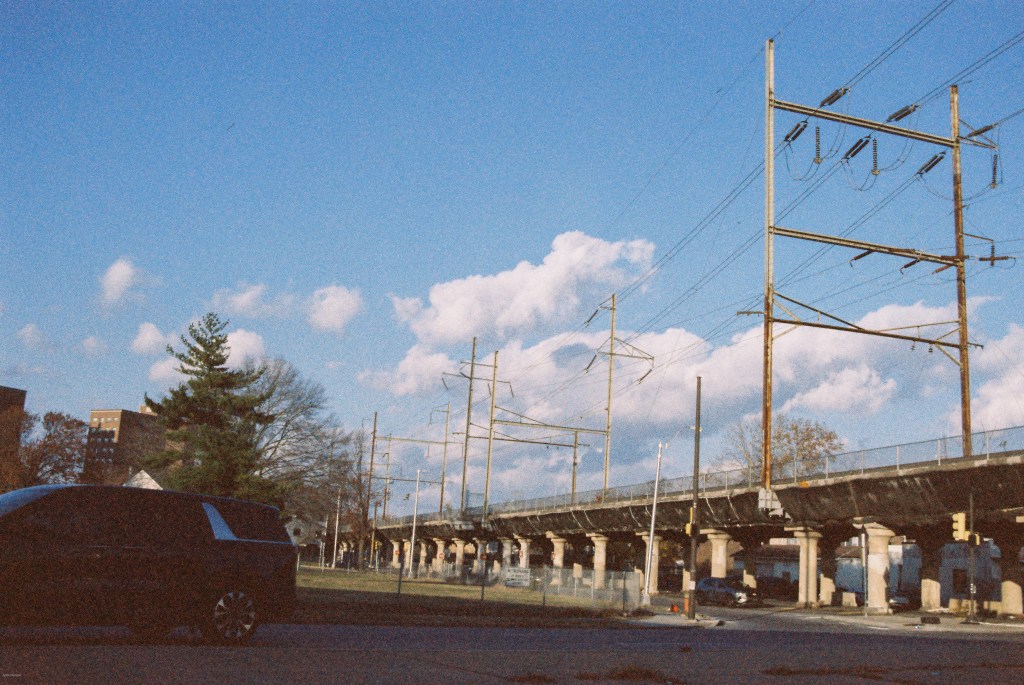
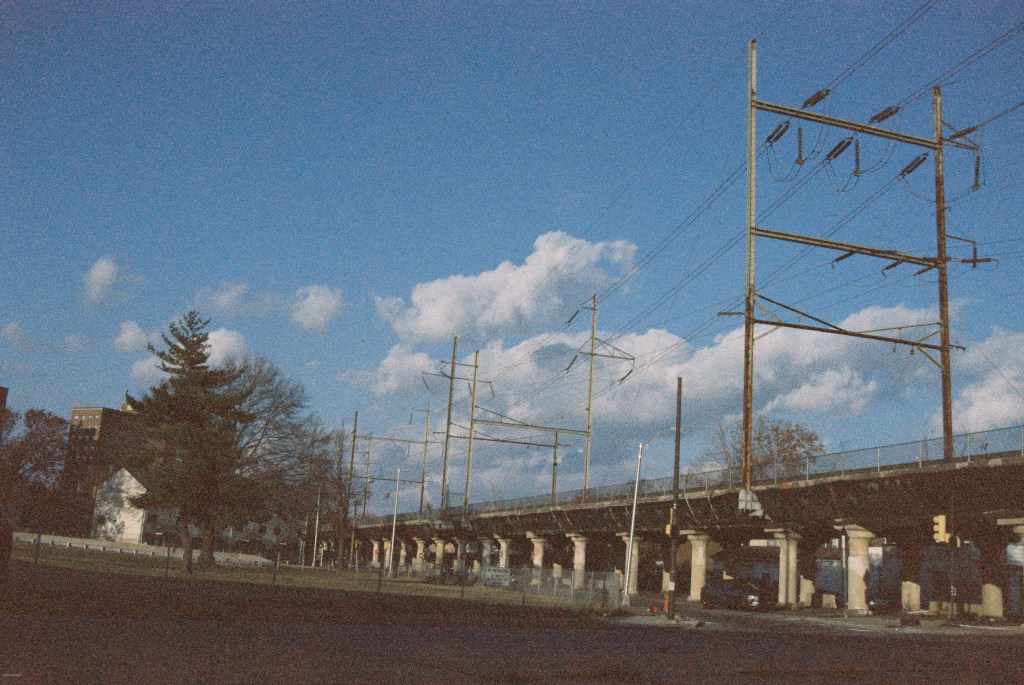
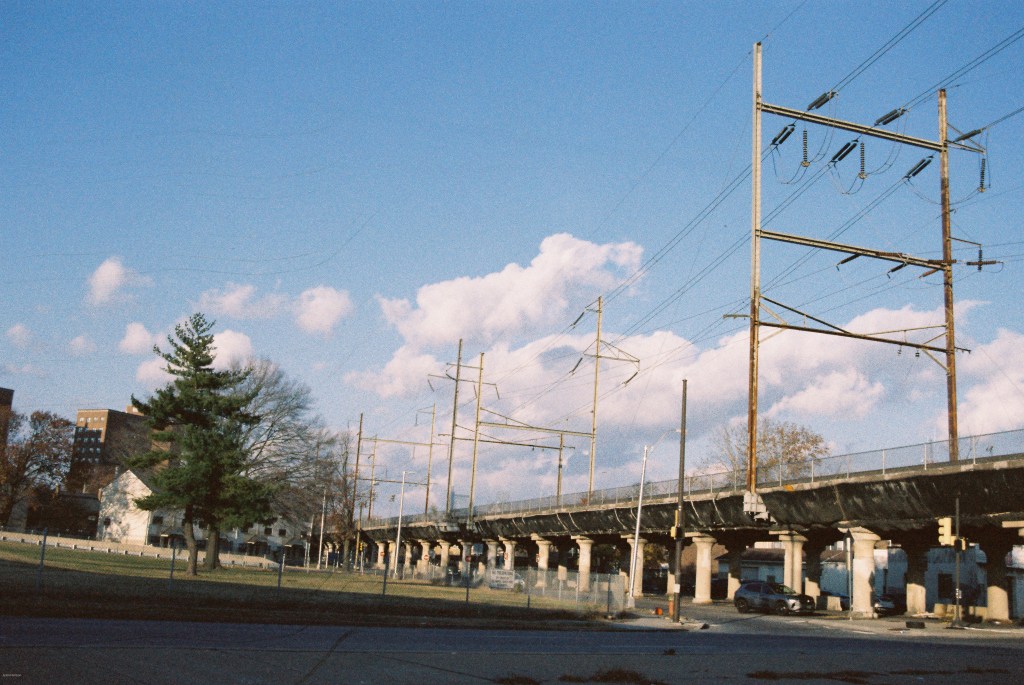
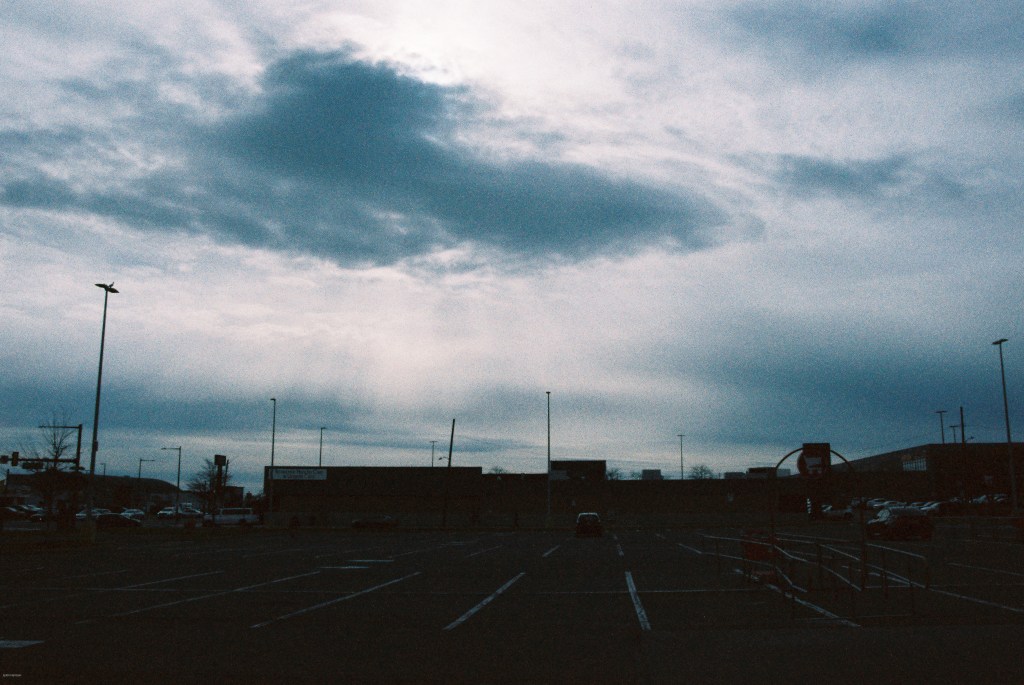
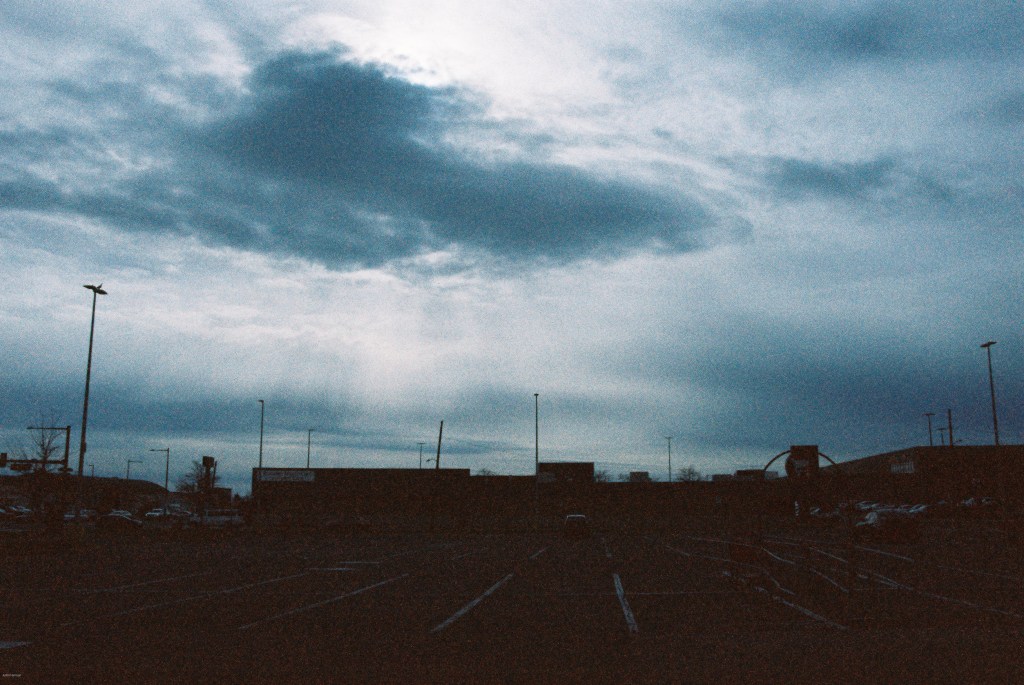
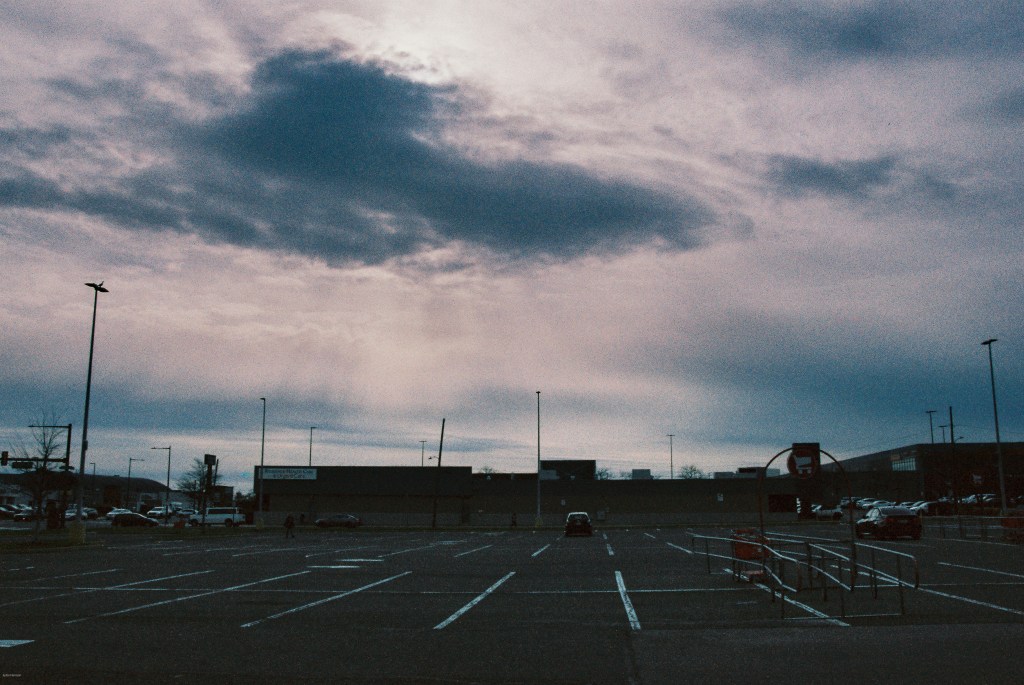
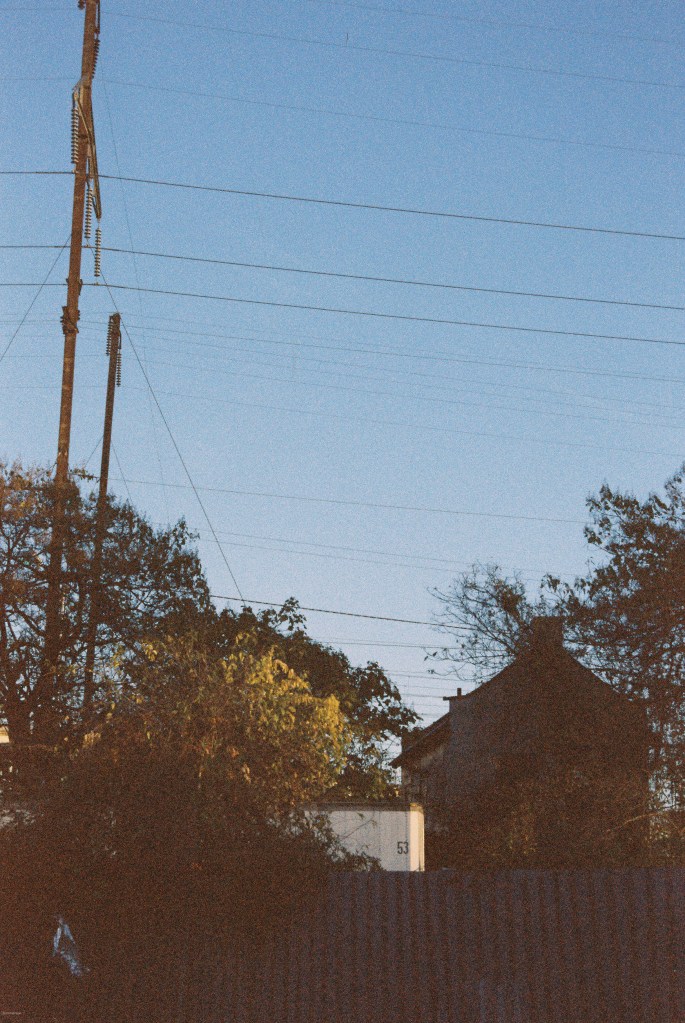
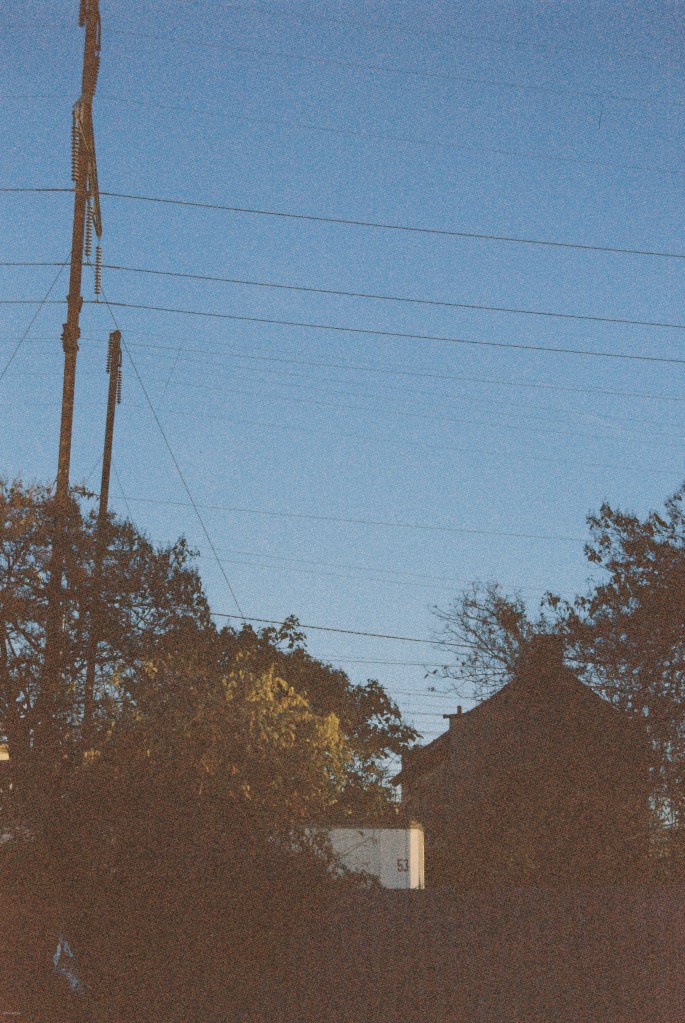
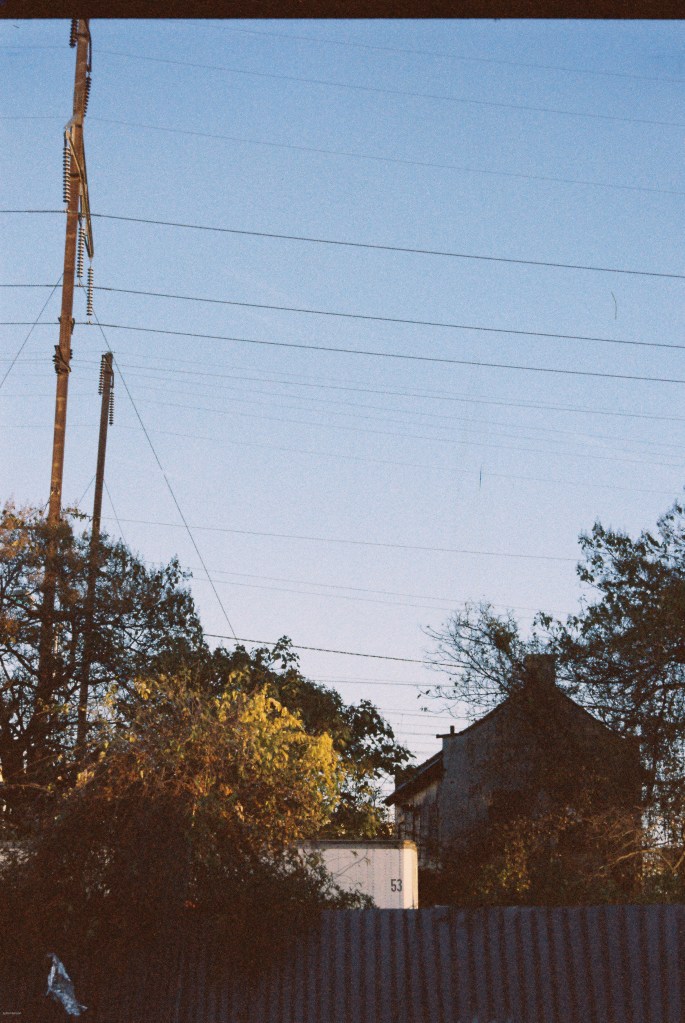
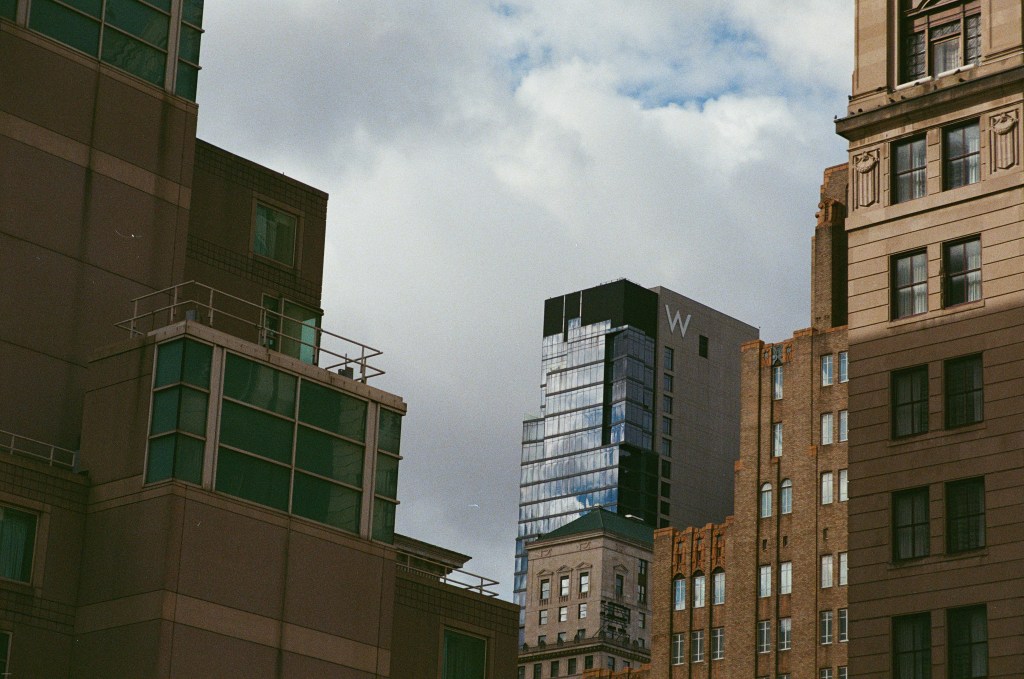
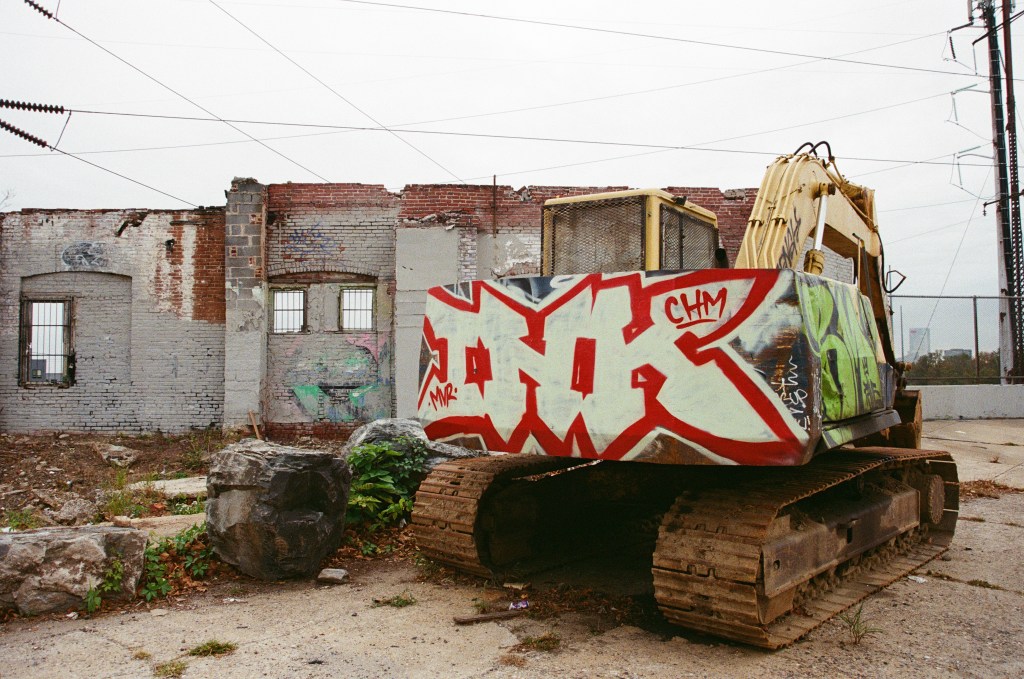
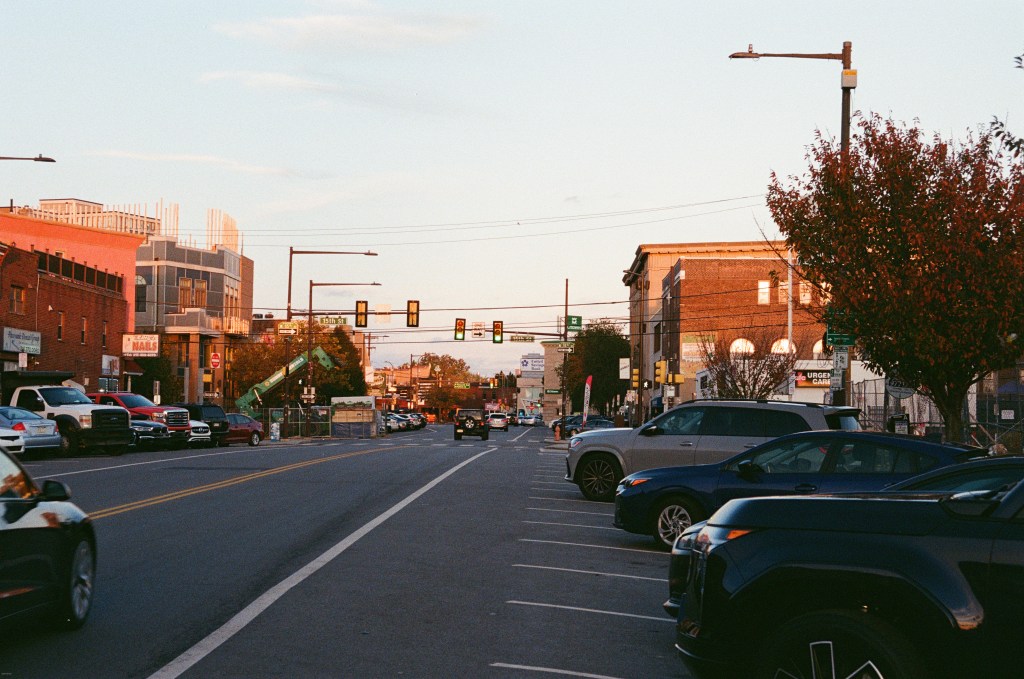
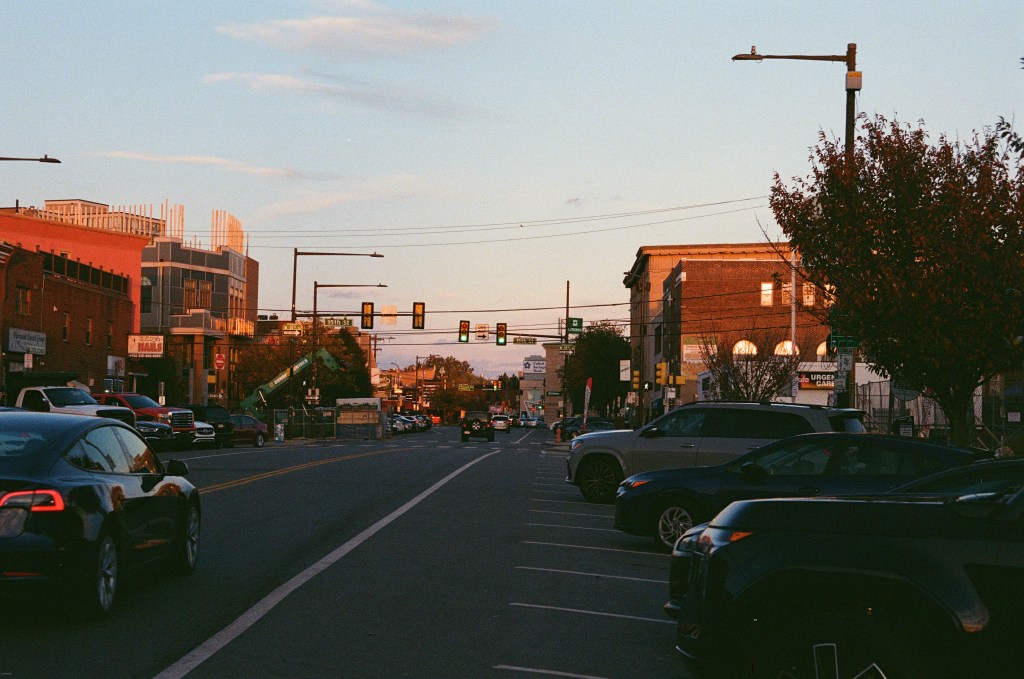
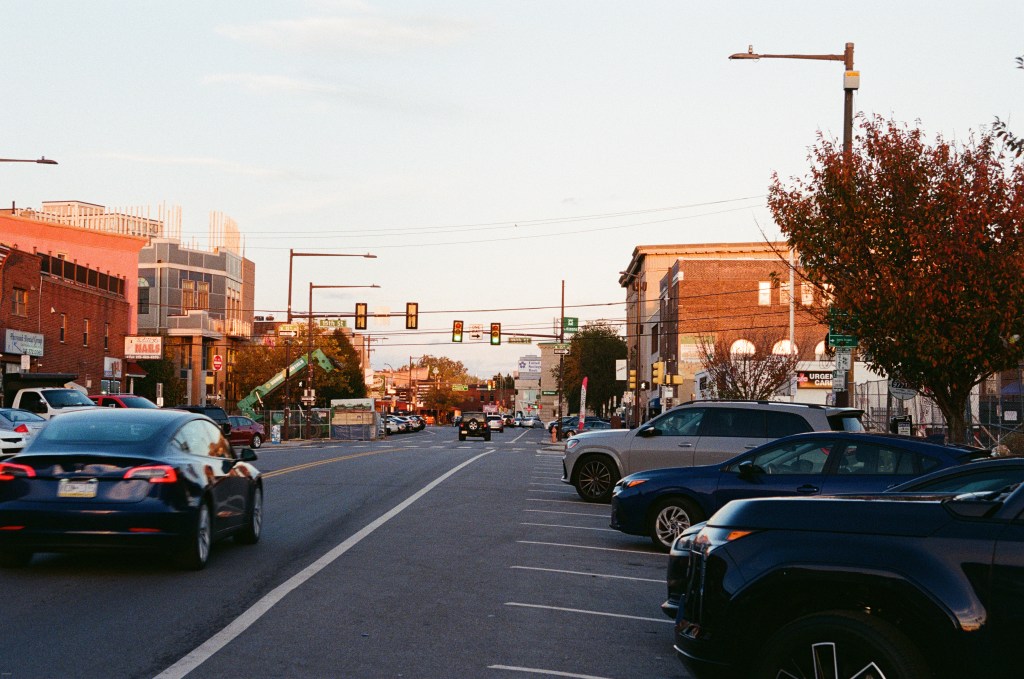
So I bought some current production film and shot some test rolls: Kodak UltraMax400, the new Fuji400, and Wolfen NC400, to see how they respond to the light. I bracketed 3 exposures of each scene: box speed , 1 stop under, and 1 stop over. Developed normally – not pushed or pulled – we get normal, under, and over exposed images.

For consistency I used the same camera and lens (Nikon F6 w/Nikkor 28-105 f/3.5-5.6), and the cameras internal matrix metering mode with no filters or fill flash. All 3 rolls were processed and scanned by Indie Photo here in Philly.

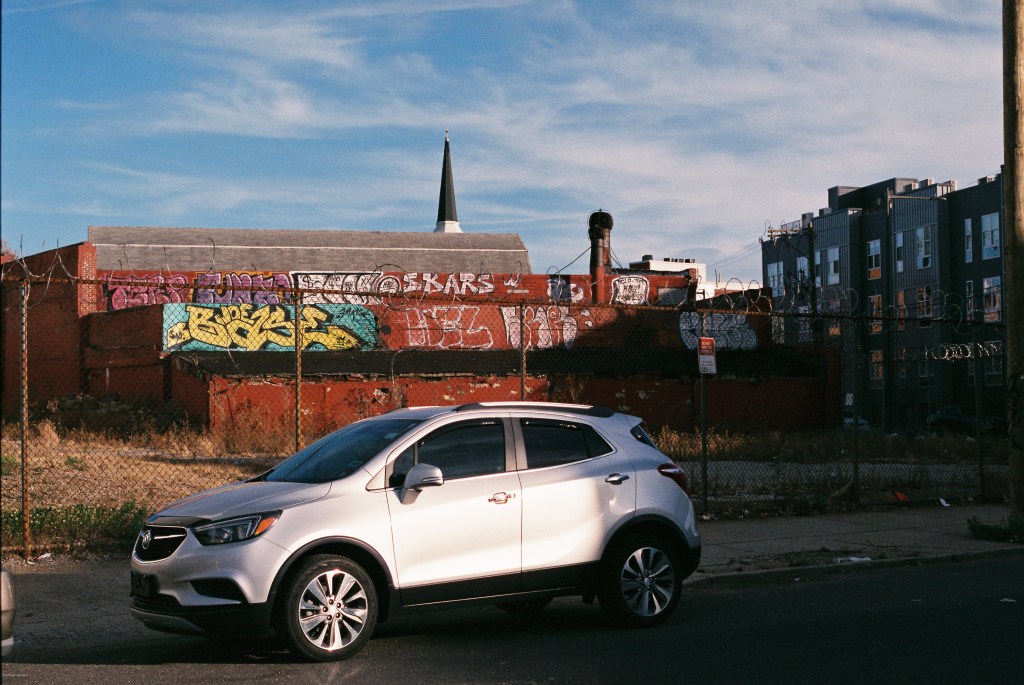
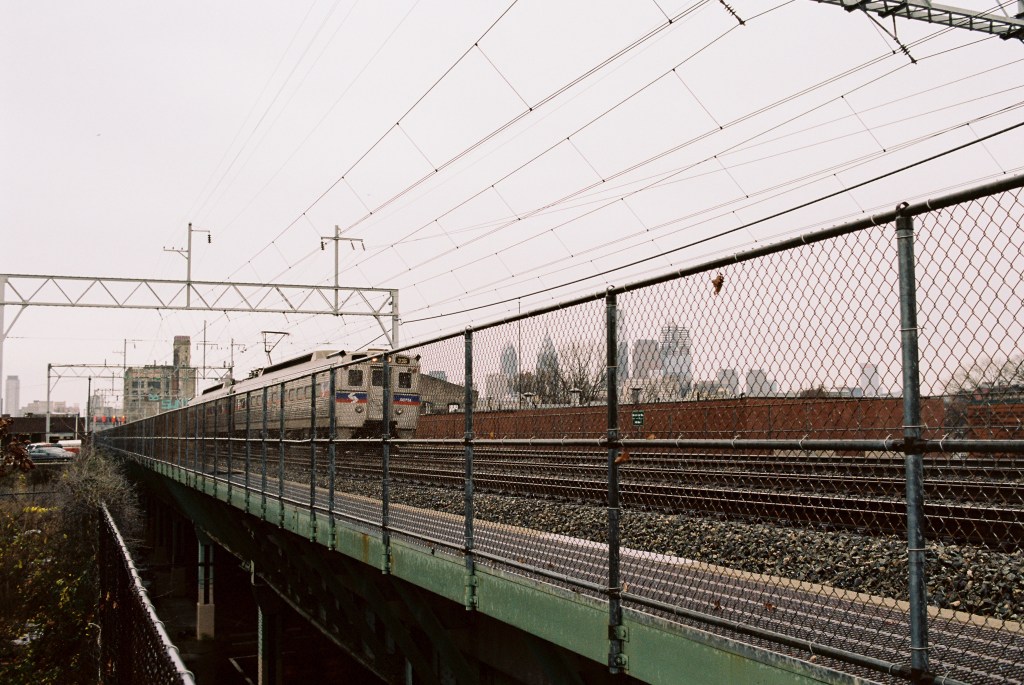
The light in many of these shots pushes at the limit of the films dynamic range that could be controlled through lots of traditional techniques, but the whole point of this experiment was to test those limits. Here’s the results for Kodak UltraMax400:

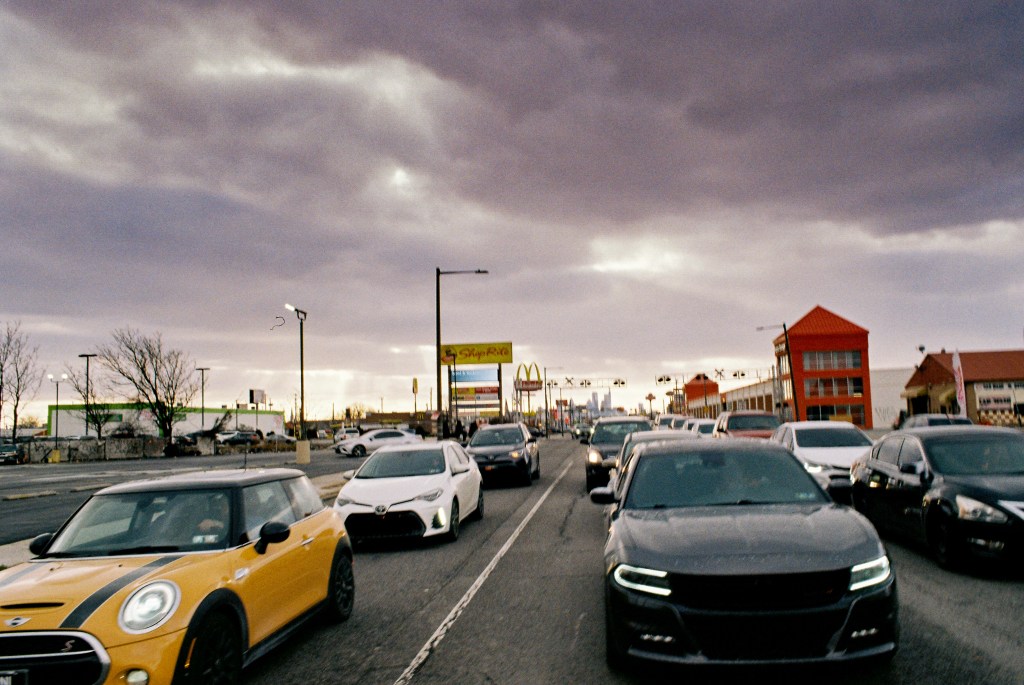
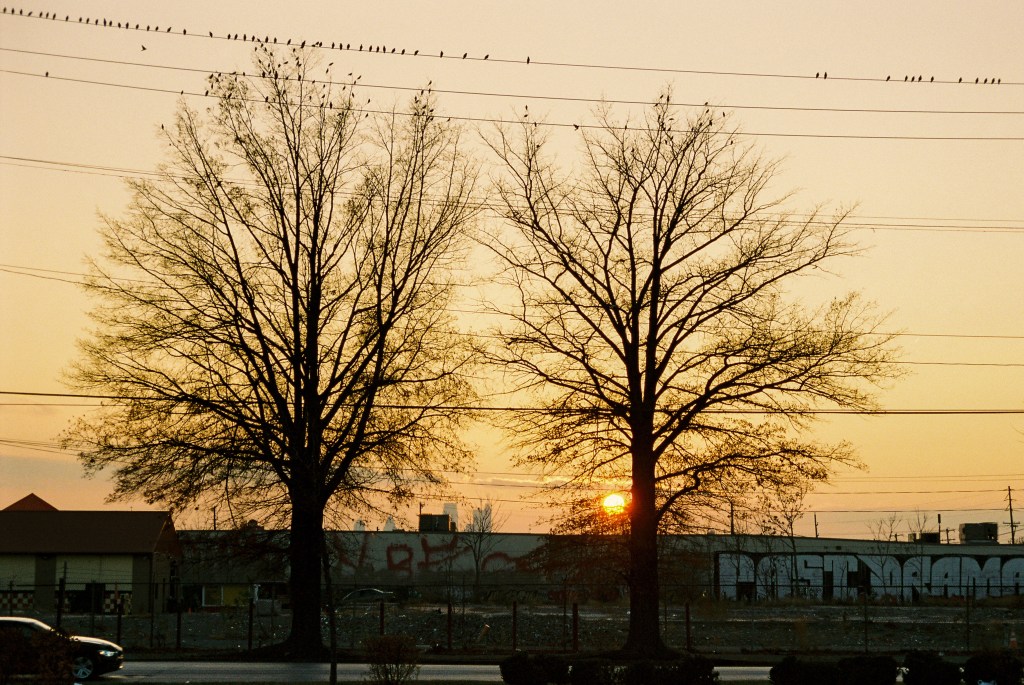
My biggest takeaway is that this film stock is consistent with other Kodak consumer films I’ve used. It’s a bit ‘hard’ and not quite as forgiving as the old Fuji SuperiaX or Kodak Portra. Over exposed we do get increased saturation but with less latitude, more contrast, and the highlights tend to blow out. Looking at the sunset we got a dramatic color shift that wasn’t correctable. It also doesn’t like being underexposed, we get a magenta shift in the shadows. Nothing that can’t be handled with more careful and intentional exposures (or some tweaking in Lightroom). It has its strengths – and its weaknesses are all manageable, but I won’t be shooting this emulsion at ISO200 on a routine basis.

Old Camera – Funky Light

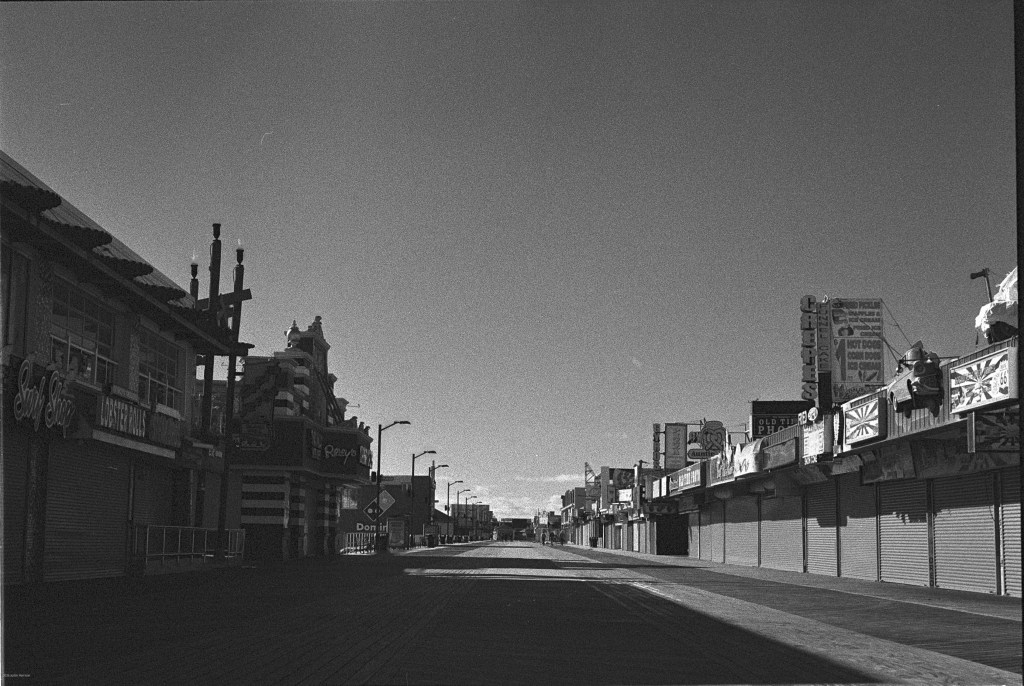
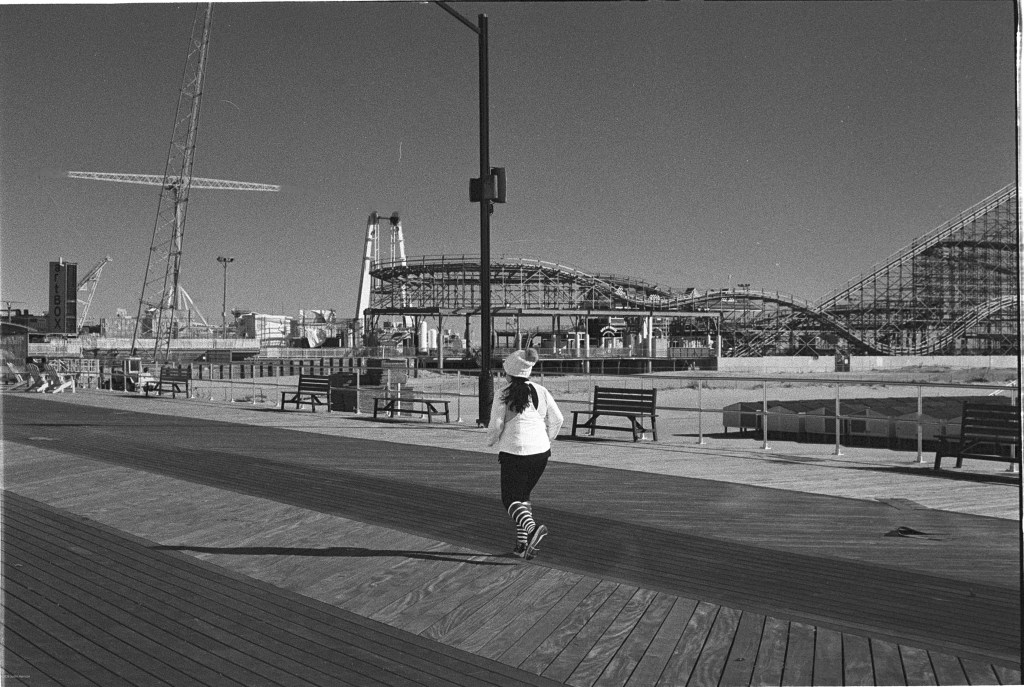
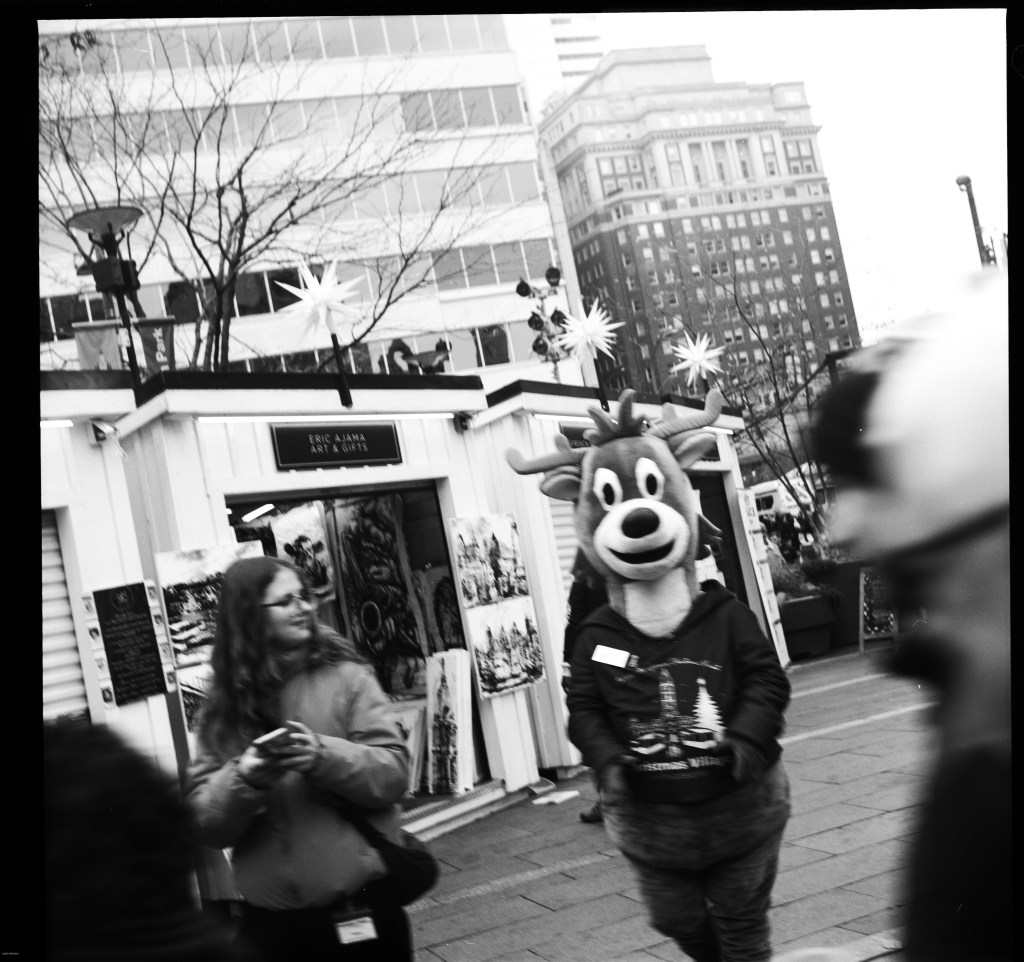
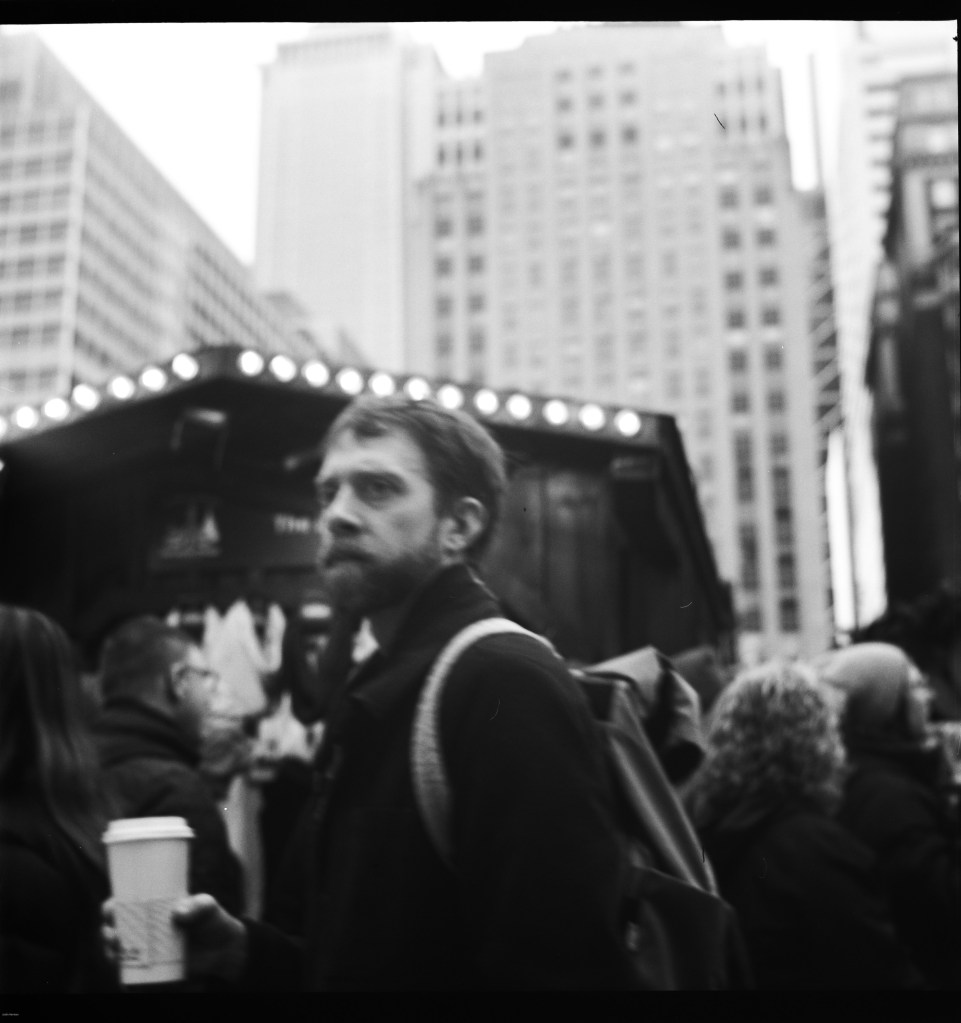
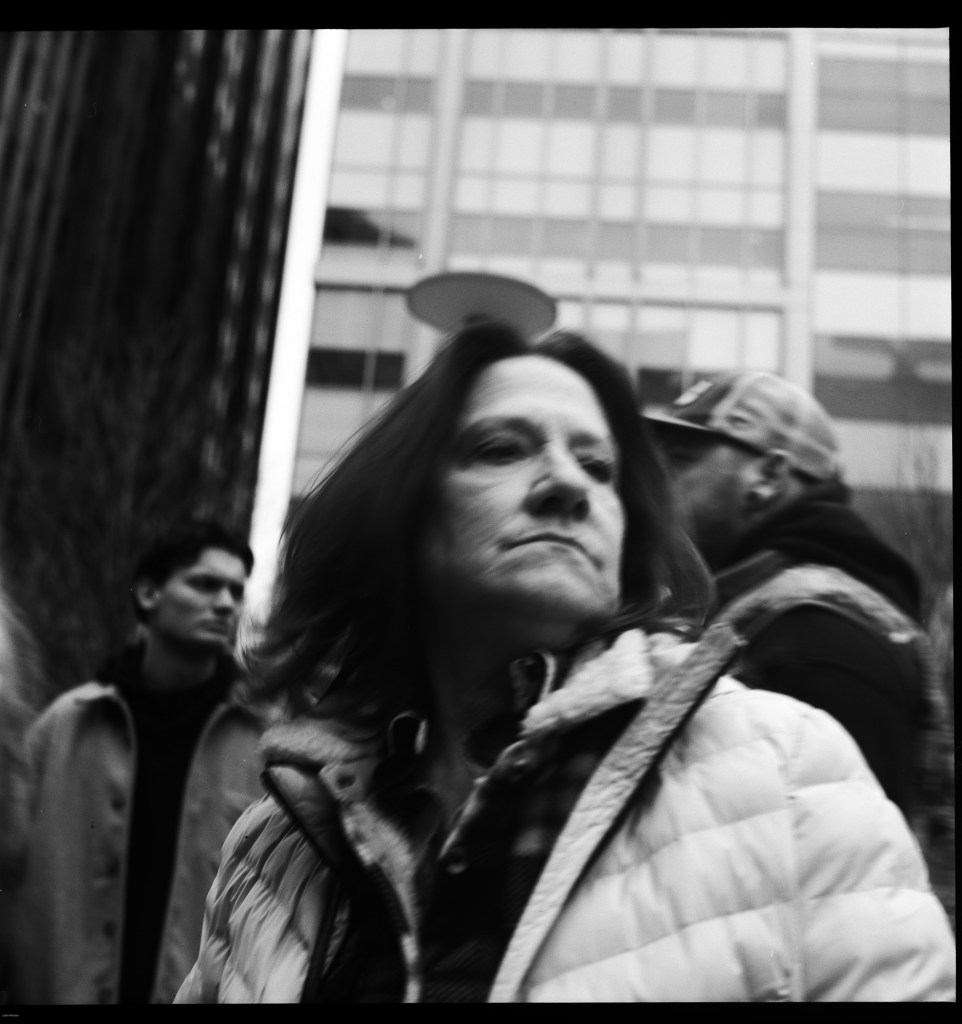
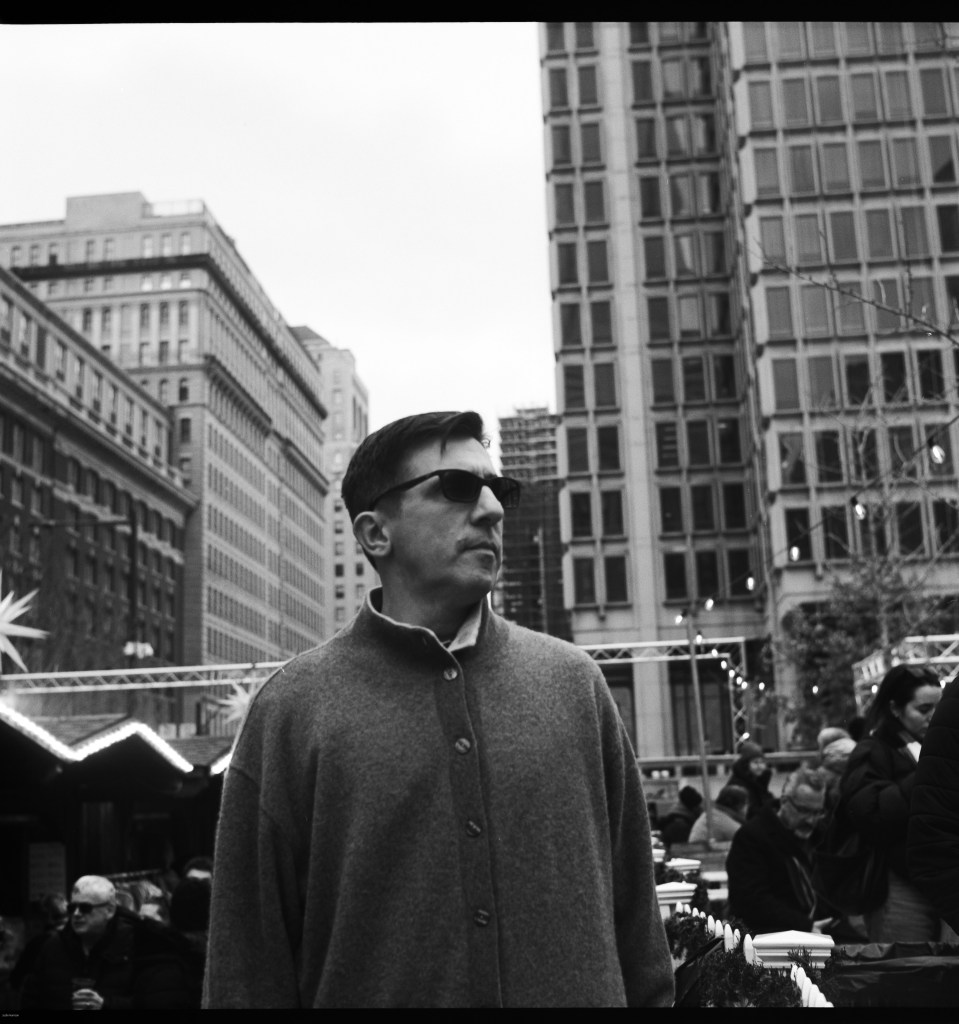
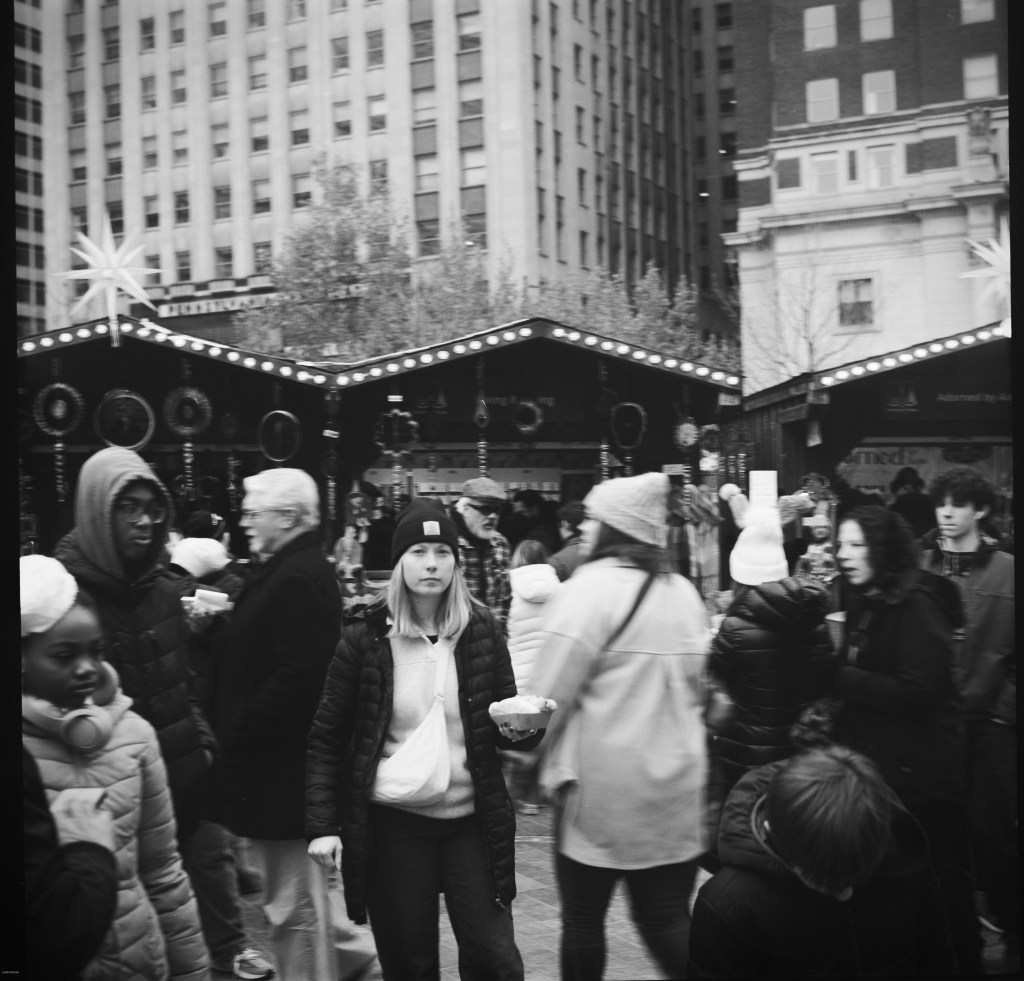
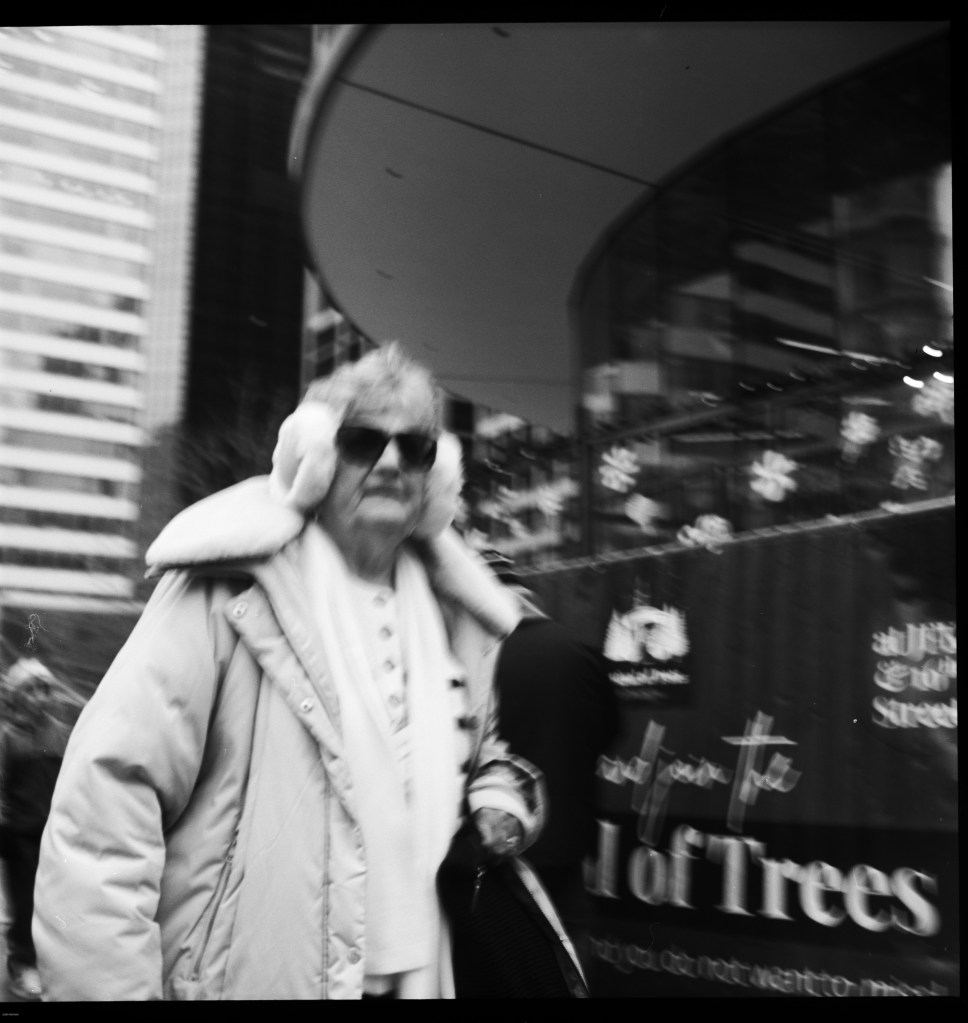
An afternoon stroll through Philly’s Christmas Village with a couple rolls of black and film.

Yashica D TLR loaded with 120 format Ilford Delta100
Hand processed in Perceptol. Scanned at Halide Project.

In the Shadow of Liberty

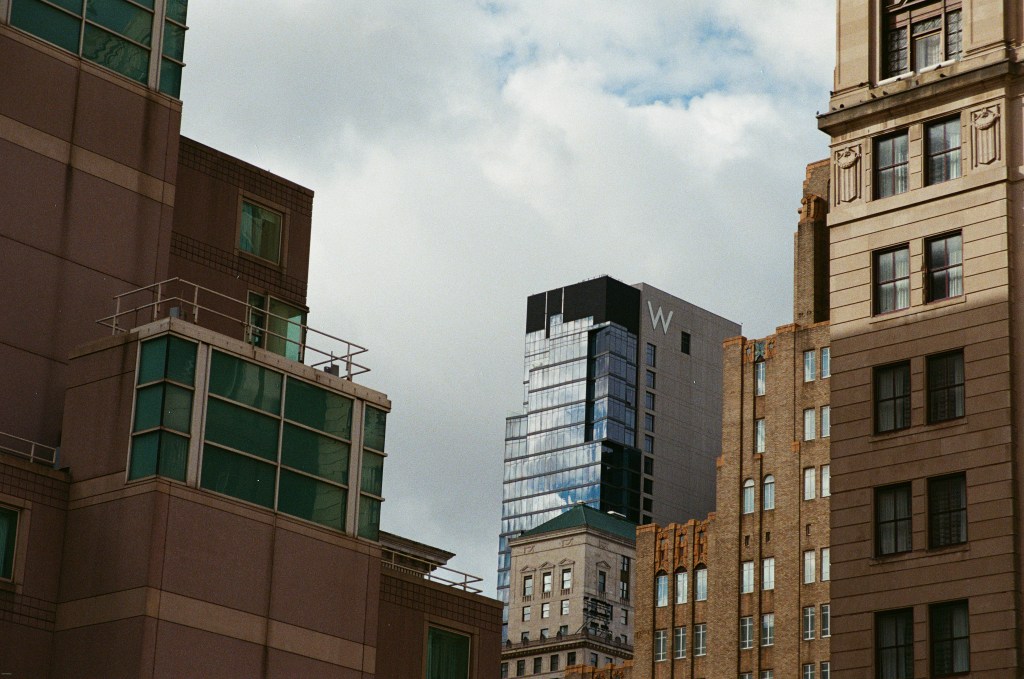
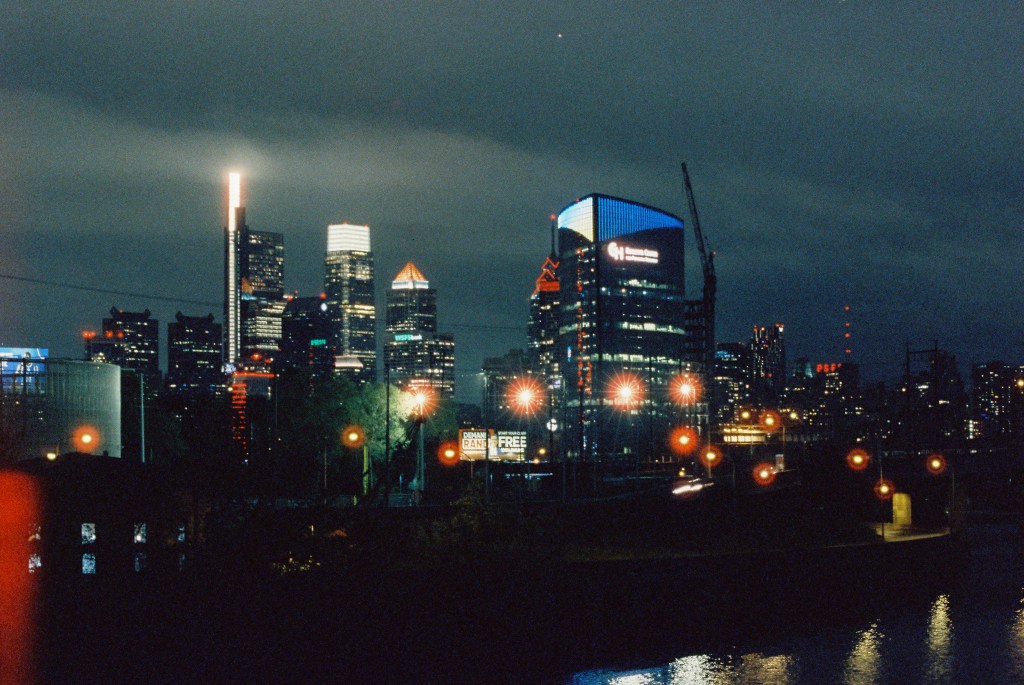
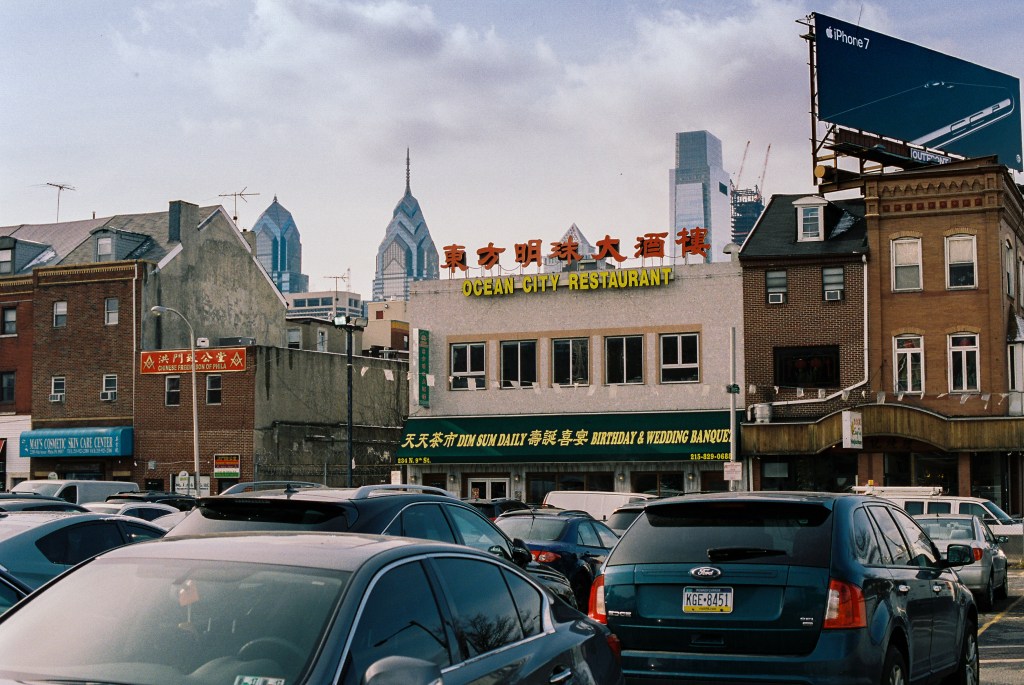
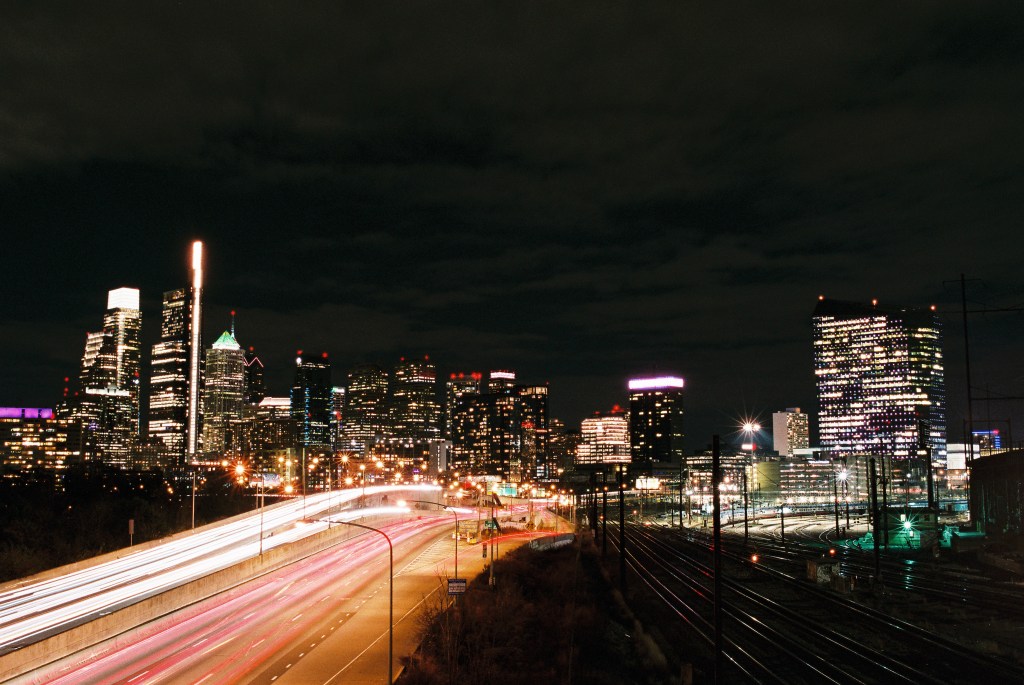
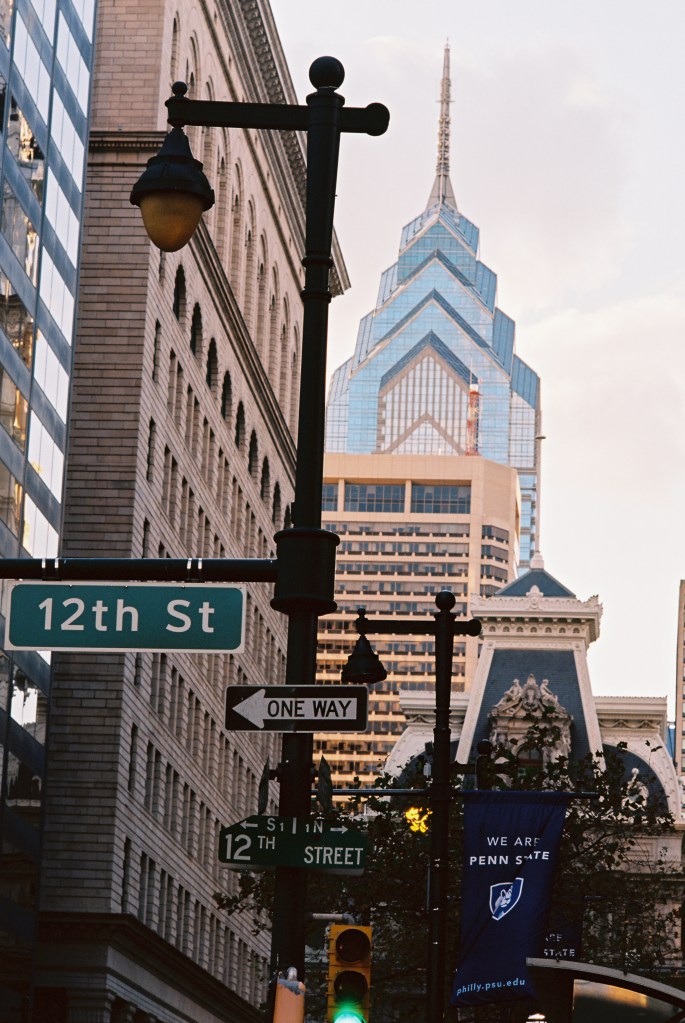
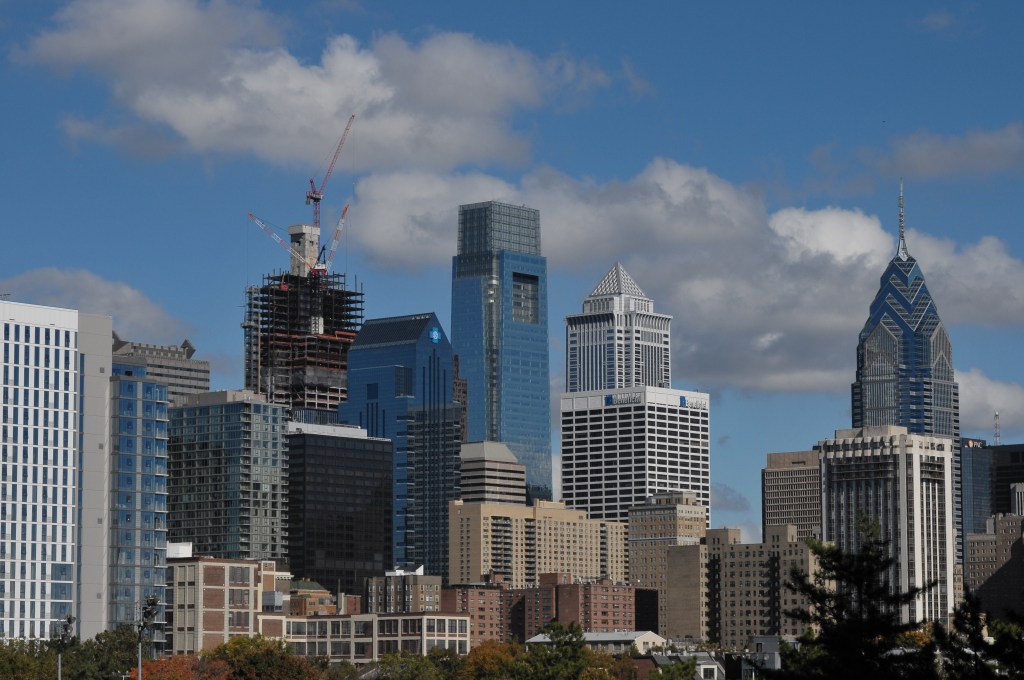
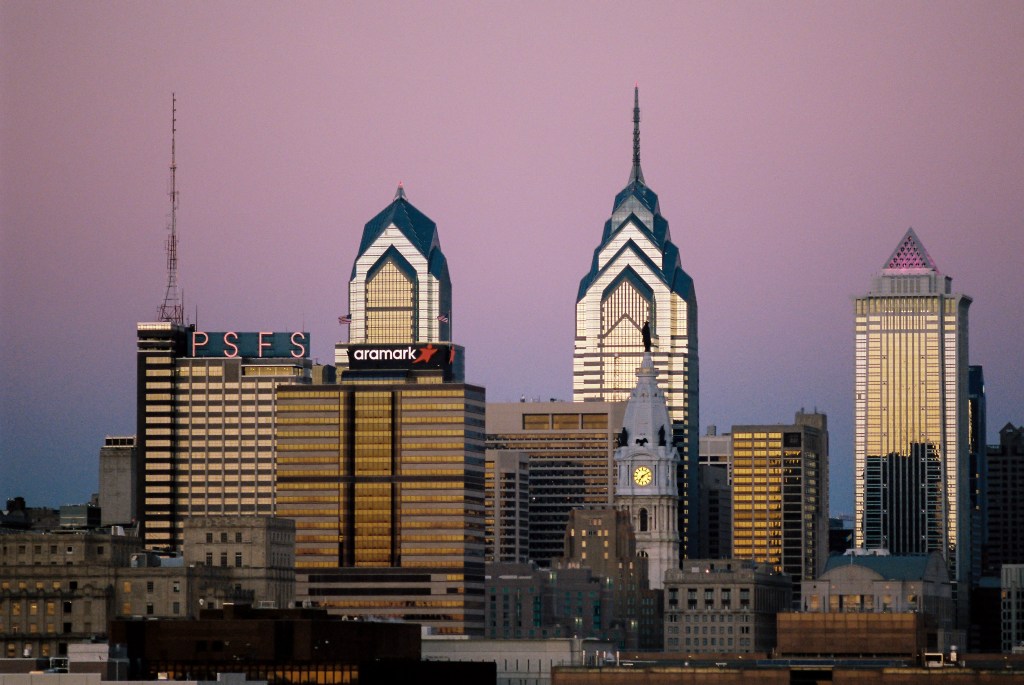
In the heart of Old City lay scattered relics of our revolutionary heritage. Near the Liberty Bell, two blocks from the building where the Declaration Of Independence was signed, are the foundations of George Washington’s slave quarters used while he was in Philly on business. Across the street are the local headquarters of Dow Chemical and Wells Fargo Bank. Rising from streets of Center City just west of City Hall are One & Two Liberty Place, the first glass and steel towers to break the local ‘Gentleman’s Agreement’ that no building in the city would be taller than William Penn’s hat on top of City Hall.

Construction of Liberty Place was completed in 1987 the year I moved to Philly. Their planning and construction a historic flexion point between old and new visions of urban American life. Coming on the heels of the civic identity crisis of the 1970’s, accelerating deindustrialization, and consequent class and social struggles.

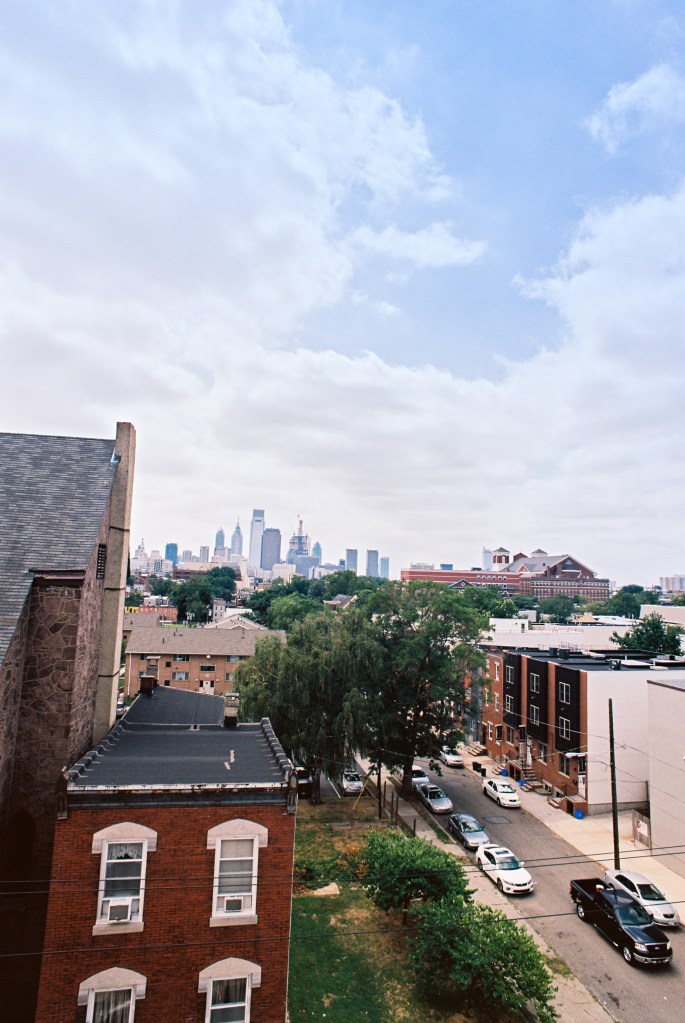
These towers are symbolic of the dynamic changes taking place in the local economy. Like a modern City of Oz gleaming in the distance they are visible from most of Philly’s neighborhoods: working class communities hit hard by deindustrialization and now squeezed by austerity and the gentrifying forces that were unleashed by Liberty Place.

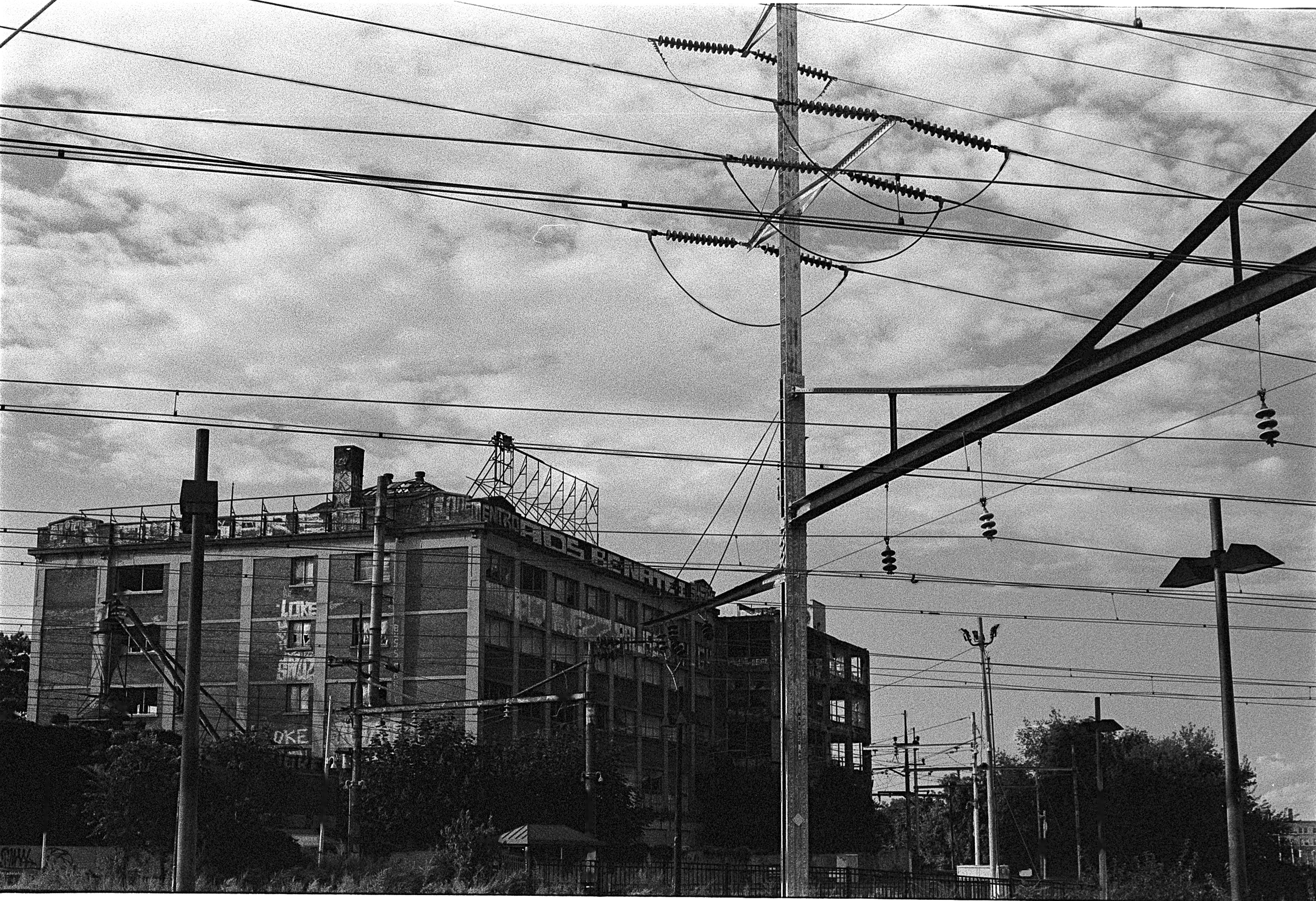
The seismic economic shifts, escalating real estate development and gentrification of our neighborhoods have resulted in a particular – potentially explosive – economic, political and social mix. Contradiction, juxtaposition, class conflict, gentrification, love, hate, and friendship mingle against the backdrop of a post-industrial urban landscape still alive with pockets of industry. We work, we play, we live, we love, we fight, we die, we make great sandwiches… and we all live in the shadow of liberty – literally and figuratively.

Kodak DDX 200

Every once in a while I get suckered into trying out a new – or at least new to me – film stock. Pulled in with the promise of ‘unleashing my full creative potential’ or interrogating a new ‘look’. Afterwards I always feel a little used lol. I’m thinking that part of the appeal is people looking for in camera effects or a ‘signature look’, a film that renders like its been through an IG filter (looking at you Pheonix200 lolz). Which is an interesting exercise but IMO always ends up being limited by the character of the emulsion. If I want a ‘filmic’ image I’ll just shoot with my Fuji digital.

So I bought 2 rolls of Kodak DDX, a re-rolled monochrome cinema film that seems to have been around for a while. I shot one roll at box speed (200) and the other at 400. Developed both in Rodinal 1+60. Maybe not the best choice but that’s what I had on my shelf atm and I was impatient… I mixed the chems with the box speed in mind, but then looking at the massive dev chart there were no times given for DDX @400 for the 1+60 dilution, hmmmmm…. So since I had the chems mixed I just guesstimated and approximately doubled the development time given for 200 for the roll exposed at 400, a stop is a stop is a stop, right?

Weirdly, the roll shot at 200 turned out underdeveloped while the one shot at 400 was pretty much perfect. Maybe that was user error ¯_(ツ)_/¯ Maybe it was my 12 year old half empty bottle of Rodinal finally giving up, but it was a surprise as I was mentally prepared for the pushed roll to go sideways since I was playing fast and loose with dev times. Other than that the DDX was pretty well behaved with pretty wide latitude. I’m thinking a nice people and pets film and maybe landscapes/cityscapes. I can see the appeal, it is a very pretty emulsion and It does scan very well, but it’s too clean for me.

So a pretty, fine grained, easy scanning, black and white film, just watch your dev times. But I’m going back to the basic grittier – and cheaper – TriX and HP5 (or FP4 if I want something slower) – which seems to be what I always do after trying something new….

Go Birds! Fly Eagles Fly!

NorthEast Philly Super Bowl LIX victory street party!

Street work with Cinestill400

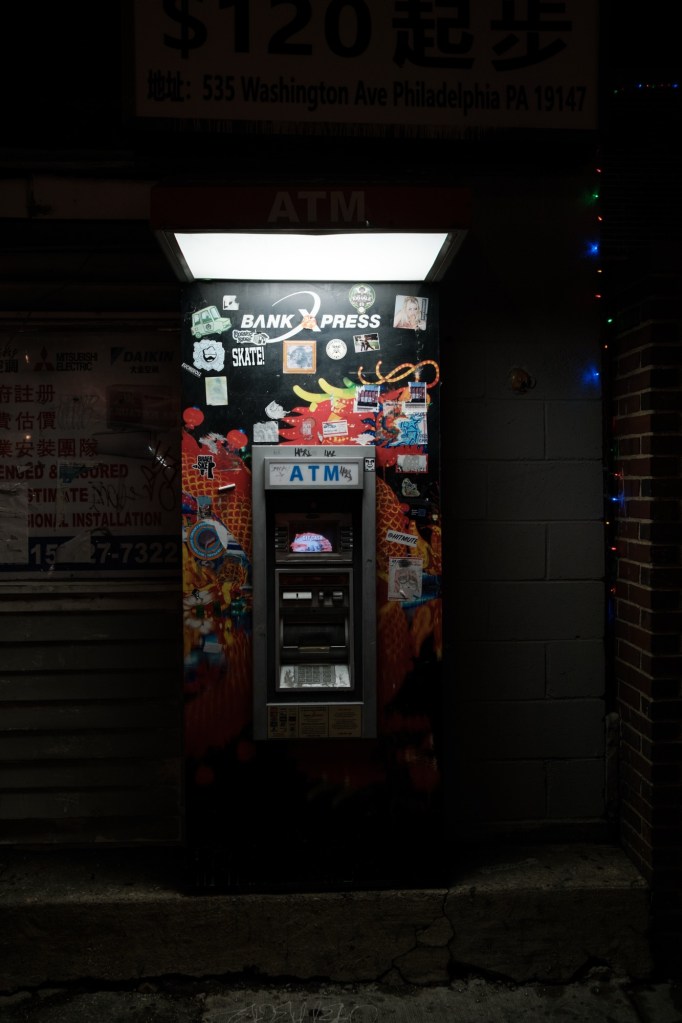
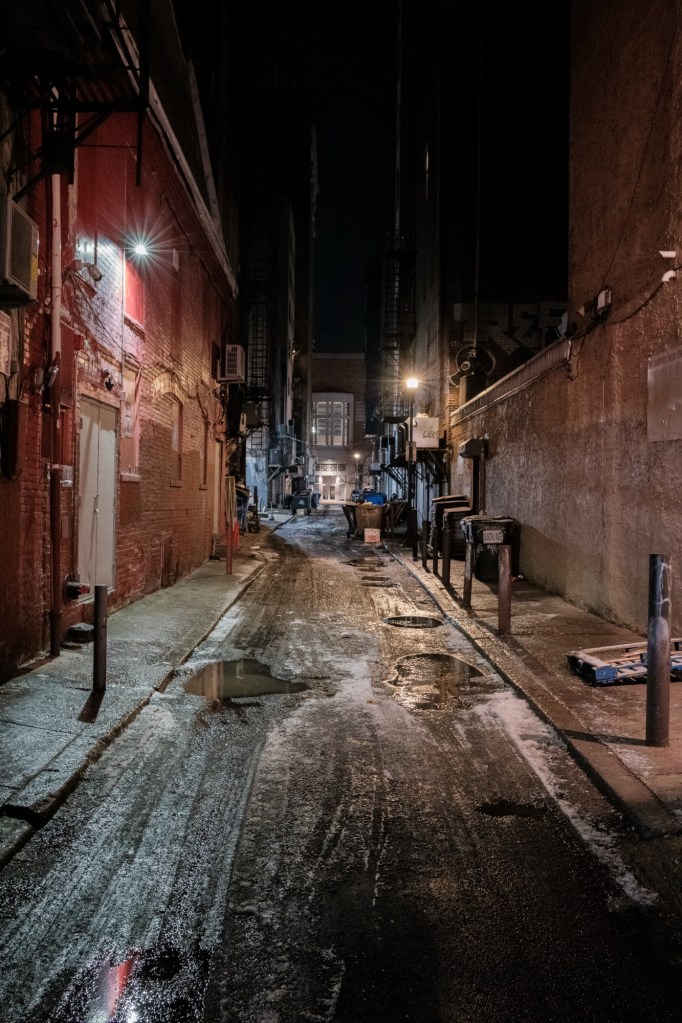
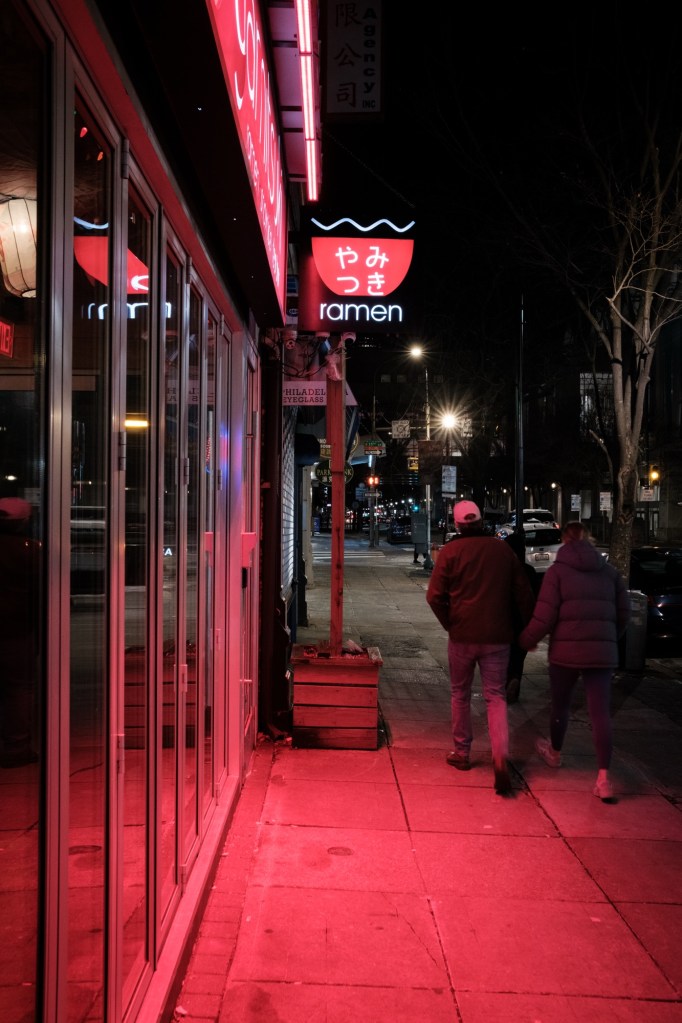
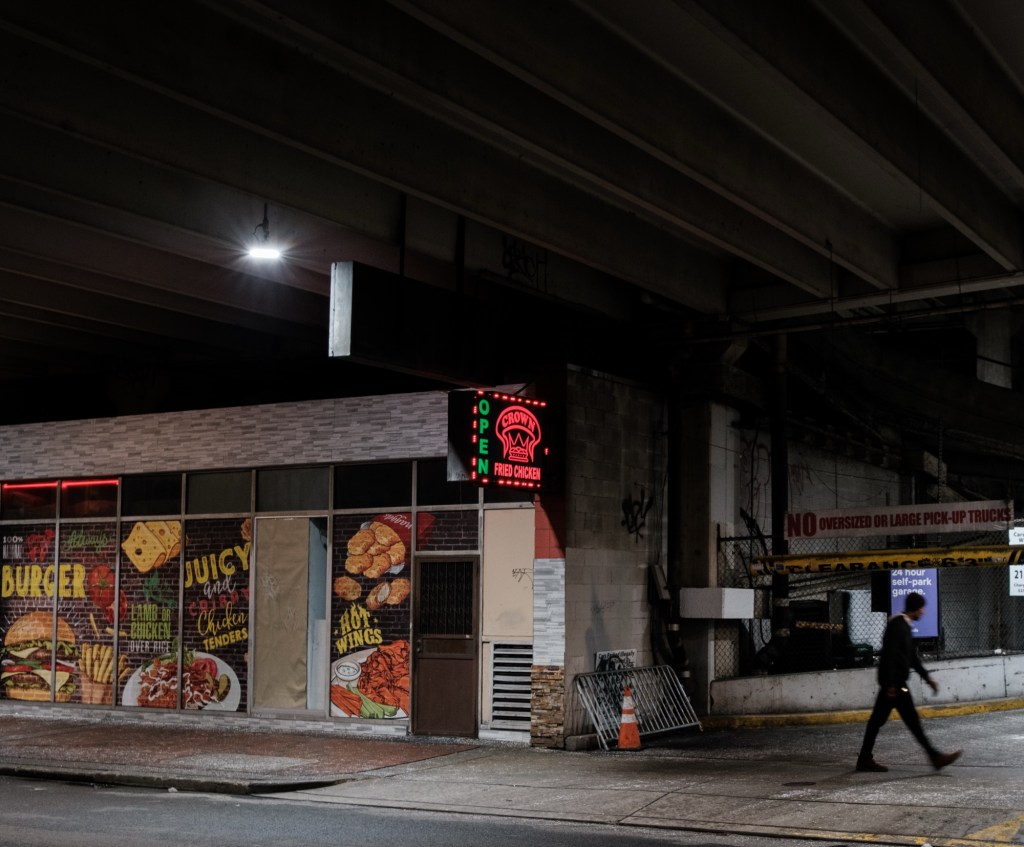
Some sample frames from work in progress. Shot 2 rolls of 35mm Cinestill400, a motion picture film that’s been repurposed and marketed for still photography and standard C41 lab chemistry. Found a few light leaks, some interesting color shifts and contrast effects but nothing that would make me use it instead of a more traditional emulsion unless that’s all we’ve got after the zombie apocalypse 🙂

Nikon F100 35mm SLR with various lenses

Clearing Winter Storm

Aramingo Ave – Gateway to the NorthEast. Pulled over for a few grab shots on a February drive home because the sky was doing that thing. Image capture on 120 format Fomapan100 black and white film with an old Yashica TLR. Exposure not recorded. Processed and scanned by Indie Labs
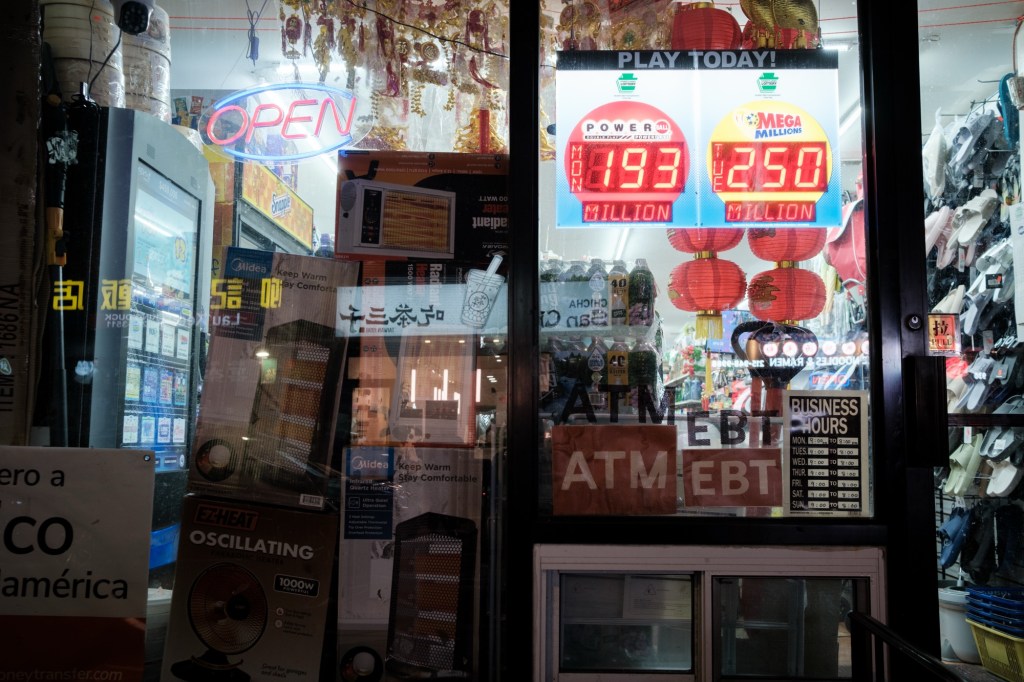
Philly Highschool students walkout for Trans Rights

A few images from today’s student action. Inspired by the determination of these students to fight for a better world. The youth are the future. Digital captures w/Nikon D700