In the Shadow of Liberty

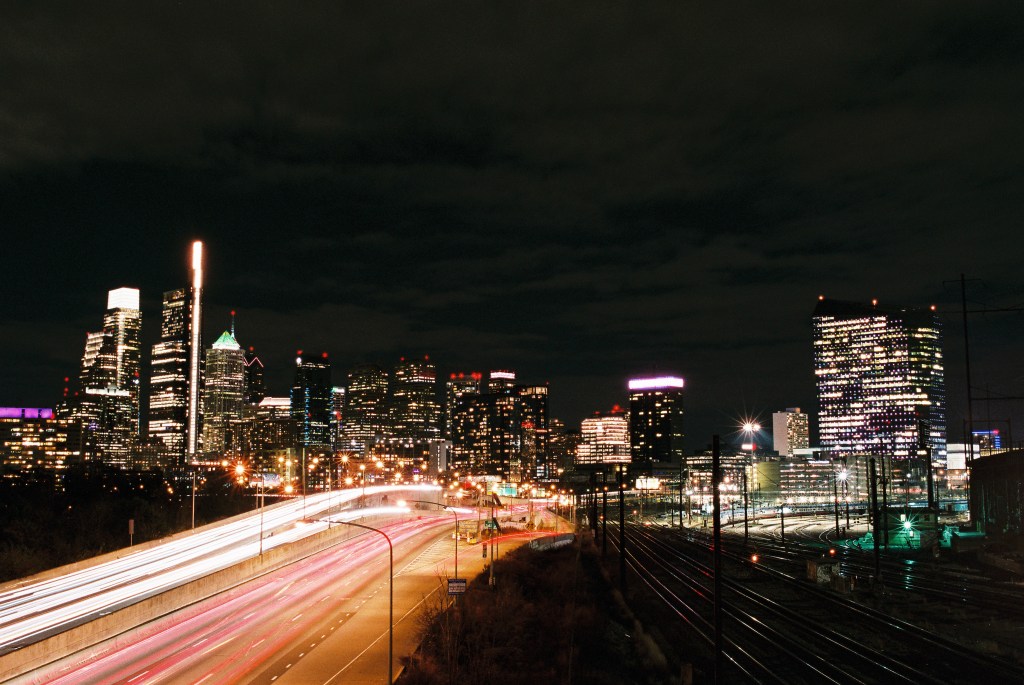
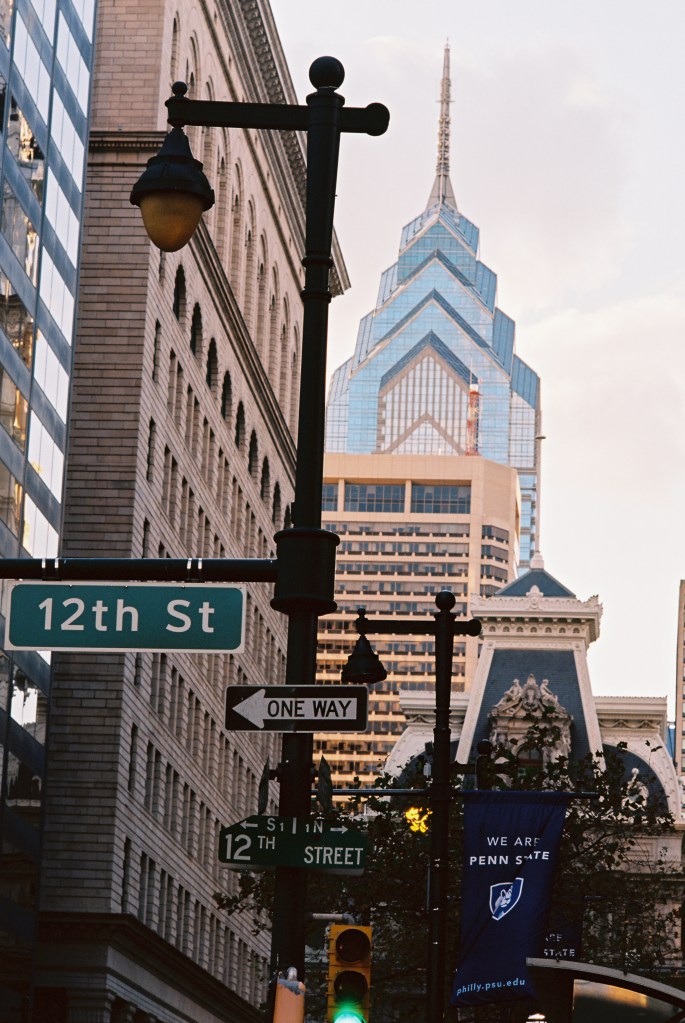
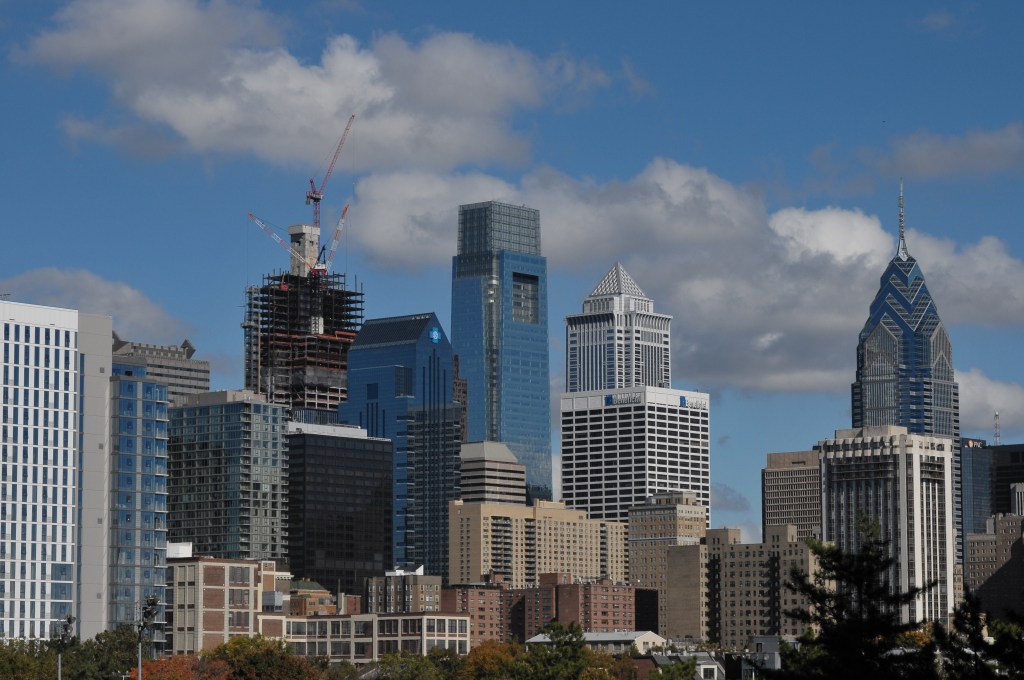
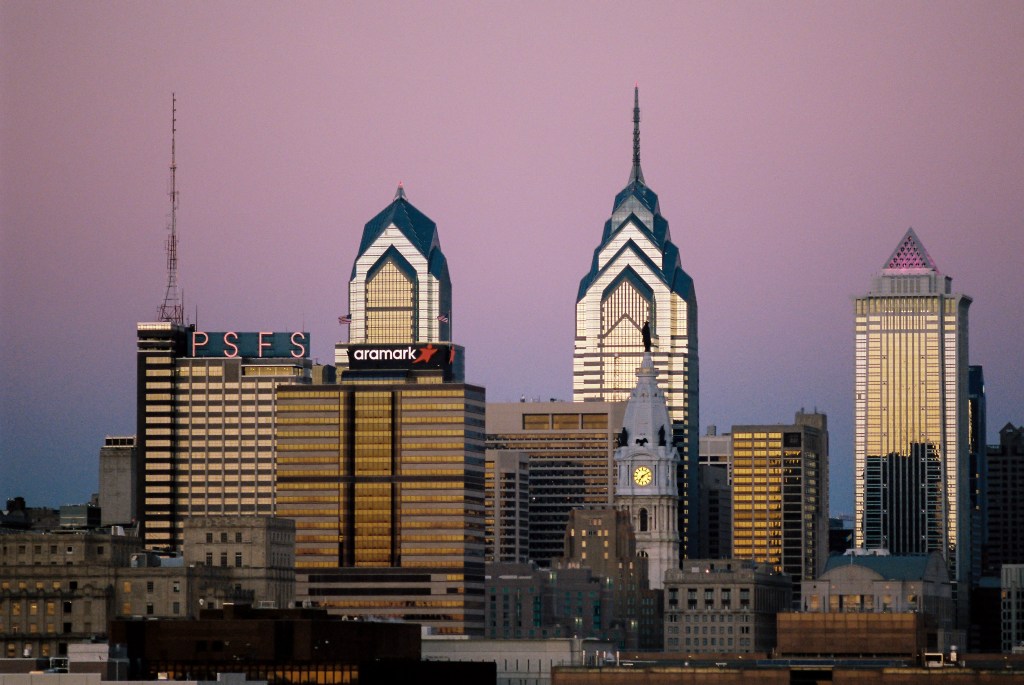
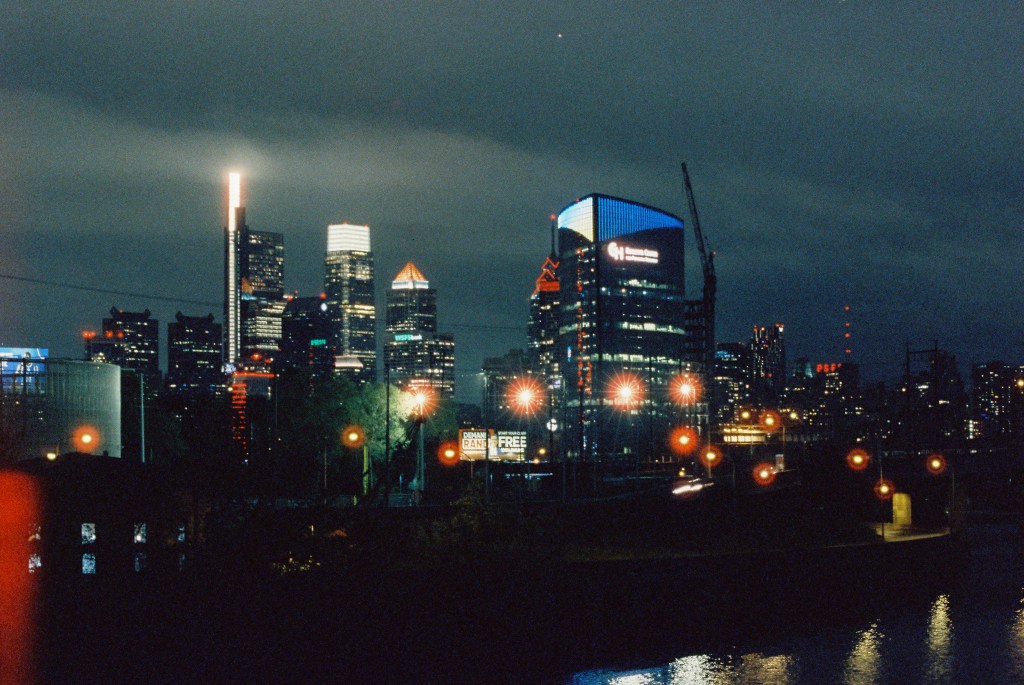
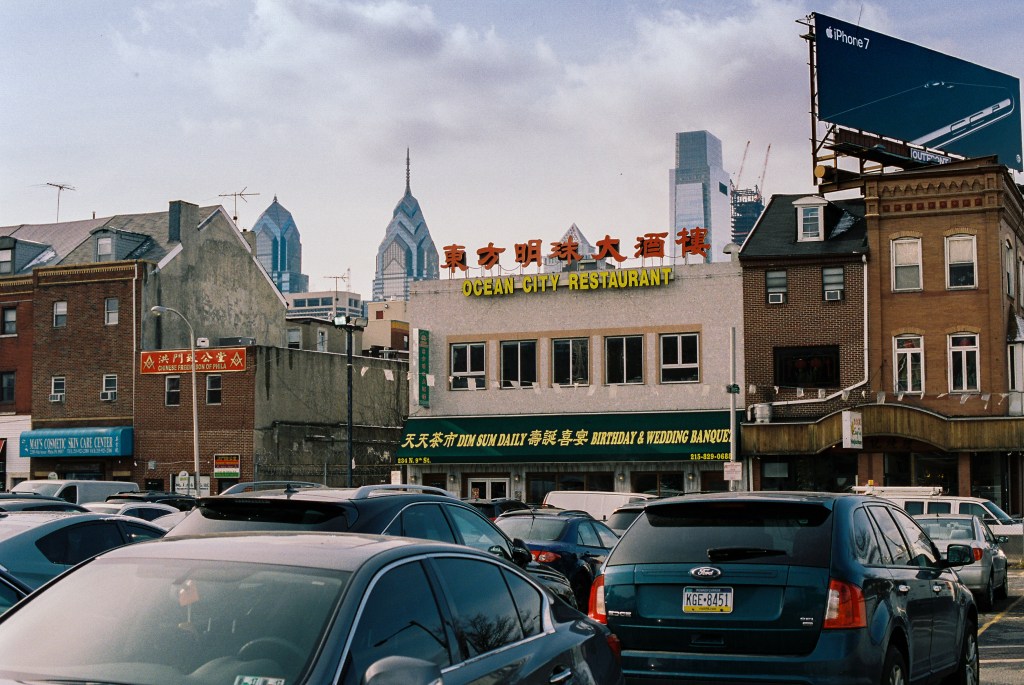
In the heart of Old City lay scattered relics of our revolutionary heritage. Near the Liberty Bell, two blocks from the building where the Declaration Of Independence was signed, are the foundations of George Washington’s slave quarters used while he was in Philly on business. Across the street are the local headquarters of Dow Chemical and Wells Fargo Bank. Rising from streets of Center City just west of City Hall are One & Two Liberty Place, the first glass and steel towers to break the local ‘Gentleman’s Agreement’ that no building in the city would be taller than William Penn’s hat on top of City Hall.

Construction of Liberty Place was completed in 1987 the year I moved to Philly. Their planning and construction a historic flexion point between old and new visions of urban American life. Coming on the heels of the civic identity crisis of the 1970’s, accelerating deindustrialization, and consequent class and social struggles.

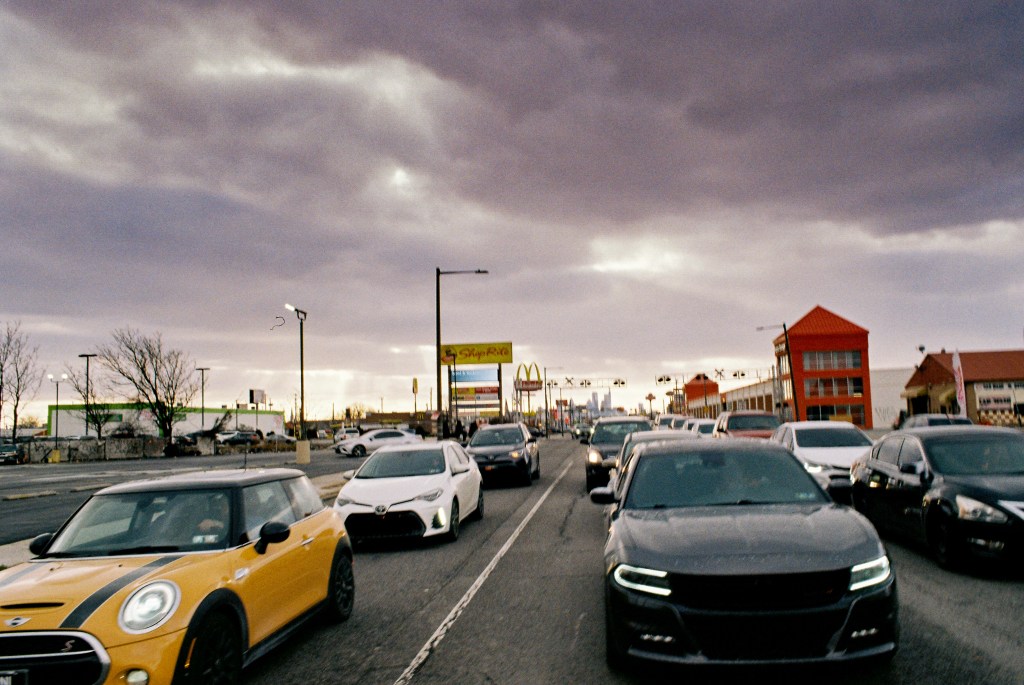
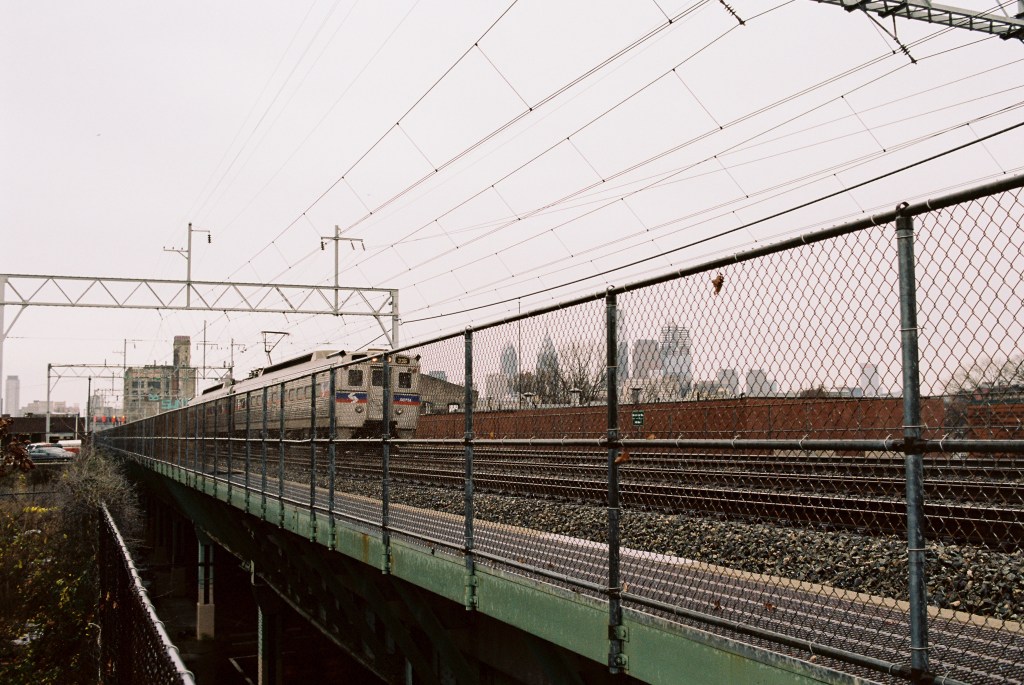
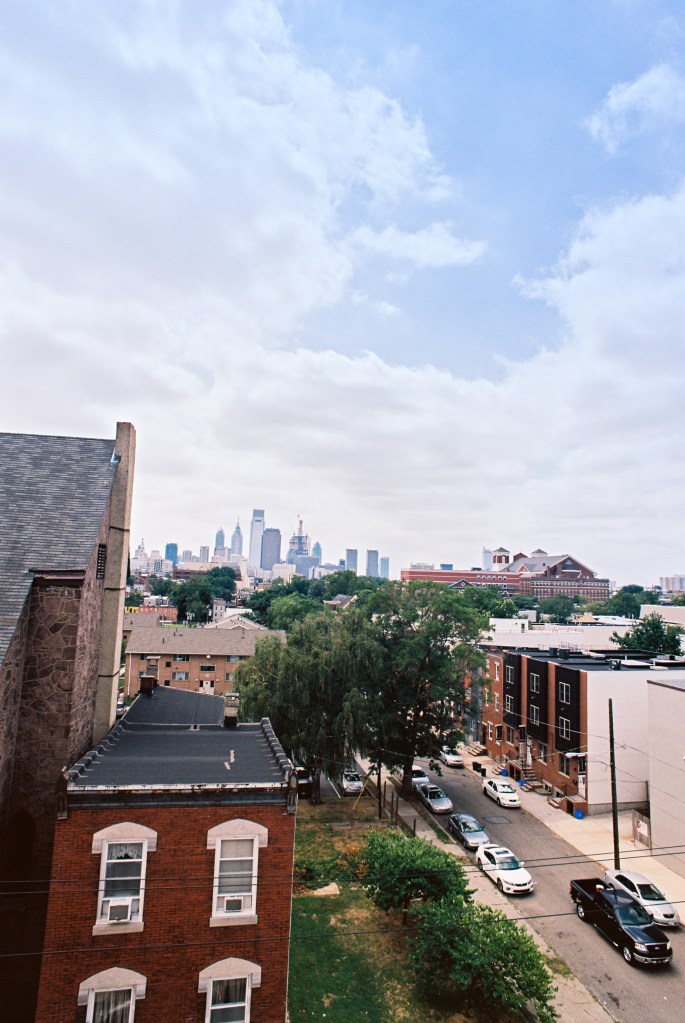
These towers are symbolic of the dynamic changes taking place in the local economy. Like a modern City of Oz gleaming in the distance they are visible from most of Philly’s neighborhoods: working class communities hit hard by deindustrialization and now squeezed by austerity and the gentrifying forces that were unleashed by Liberty Place.

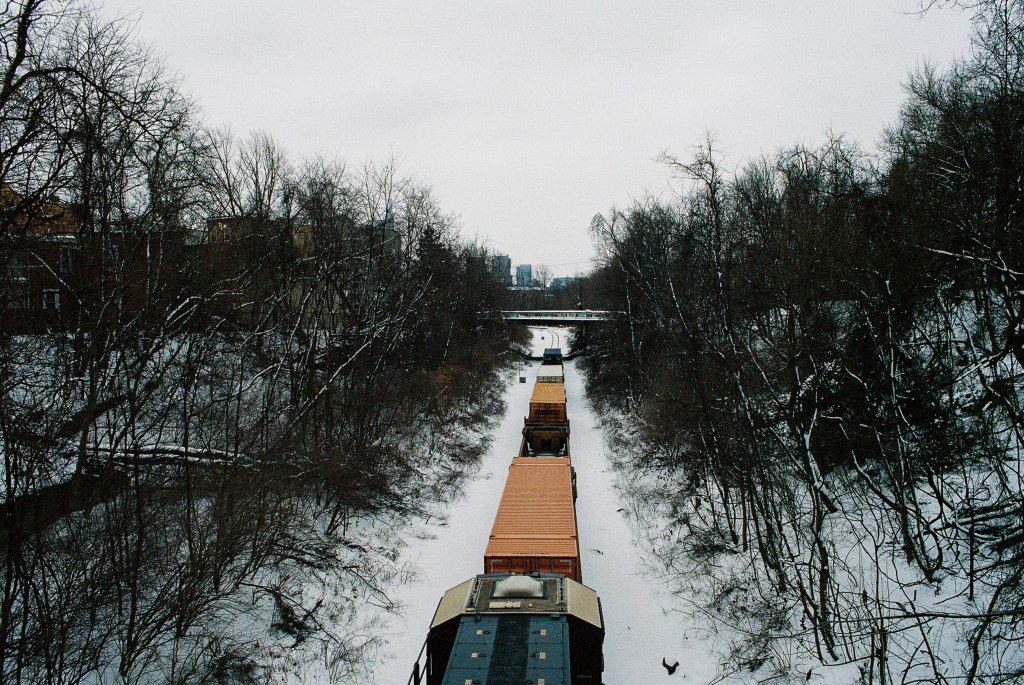
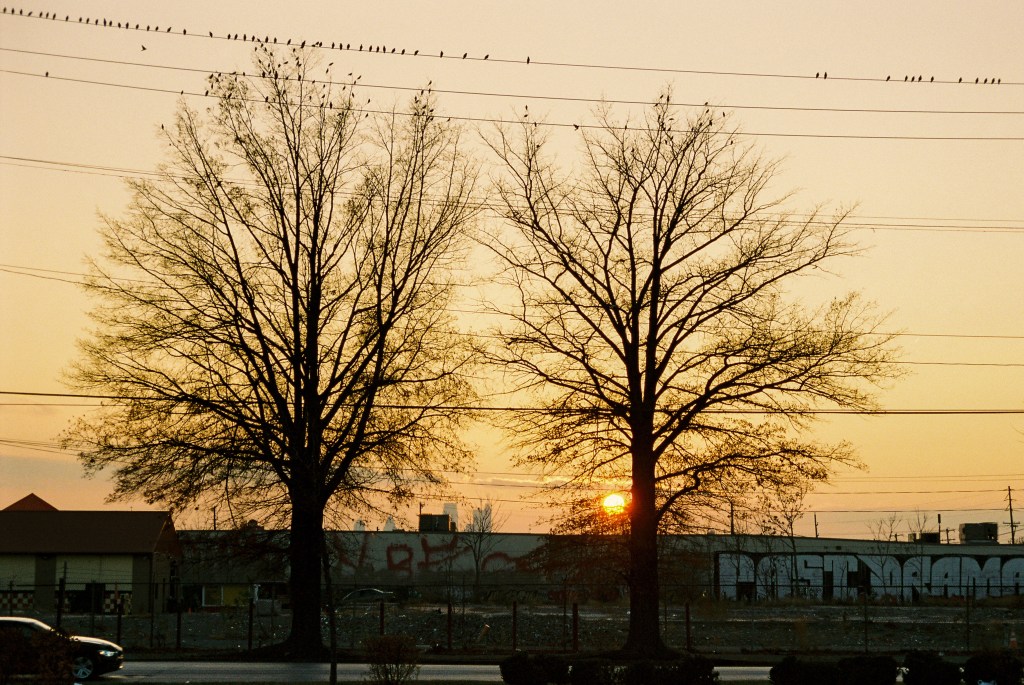
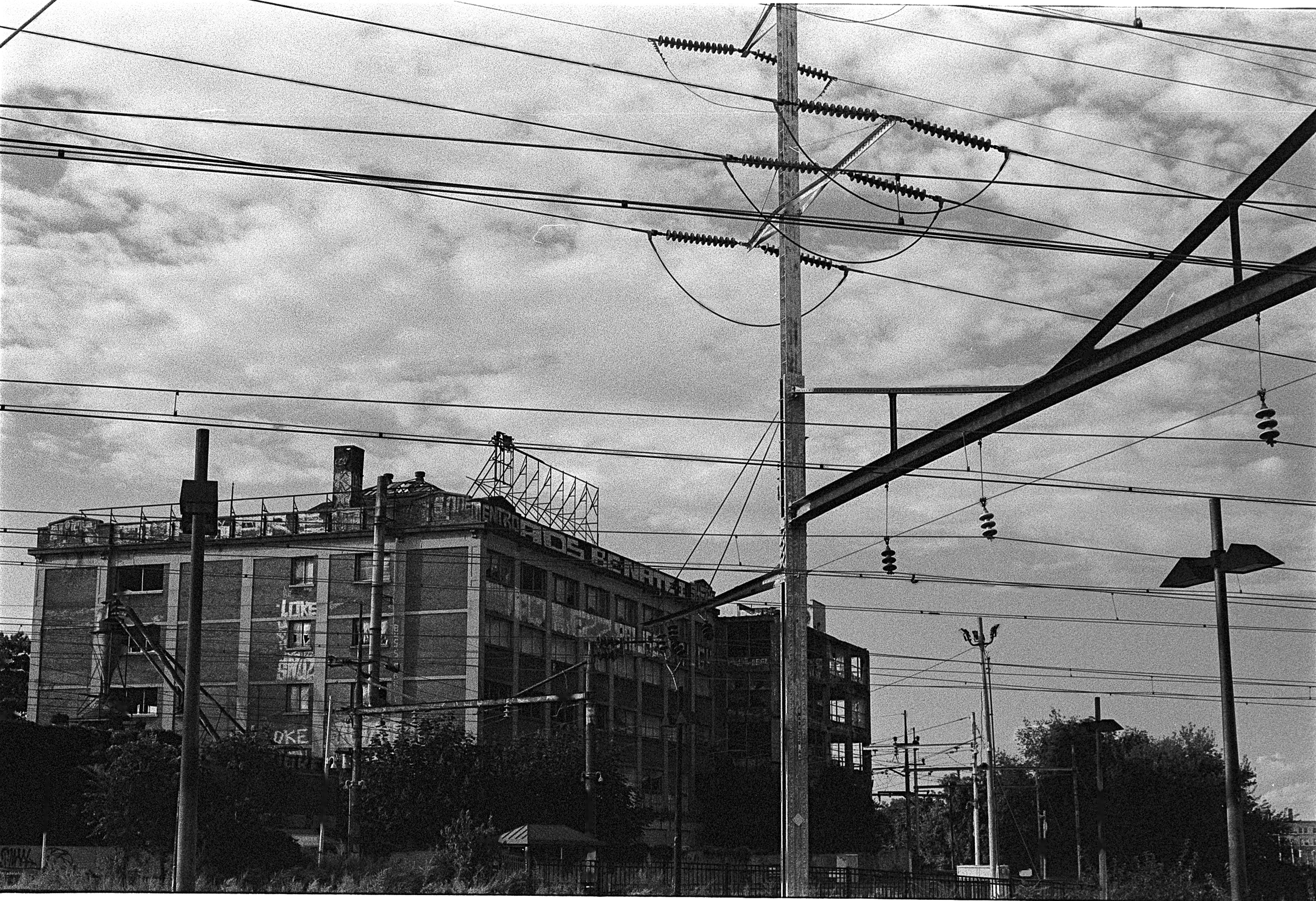
The seismic economic shifts, escalating real estate development and gentrification of our neighborhoods have resulted in a particular – potentially explosive – economic, political and social mix. Contradiction, juxtaposition, class conflict, gentrification, love, hate, and friendship mingle against the backdrop of a post-industrial urban landscape still alive with pockets of industry. We work, we play, we live, we love, we fight, we die, we make great sandwiches… and we all live in the shadow of liberty – literally and figuratively.
Kodak DDX 200

Every once in a while I get suckered into trying out a new – or at least new to me – film stock. Pulled in with the promise of ‘unleashing my full creative potential’ or interrogating a new ‘look’. Afterwards I always feel a little used lol. I’m thinking that part of the appeal is people looking for in camera effects or a ‘signature look’, a film that renders like its been through an IG filter (looking at you Pheonix200 lolz). Which is an interesting exercise but IMO always ends up being limited by the character of the emulsion. If I want a ‘filmic’ image I’ll just shoot with my Fuji digital.

So I bought 2 rolls of Kodak DDX, a re-rolled monochrome cinema film that seems to have been around for a while. I shot one roll at box speed (200) and the other at 400. Developed both in Rodinal 1+60. Maybe not the best choice but that’s what I had on my shelf atm and I was impatient… I mixed the chems with the box speed in mind, but then looking at the massive dev chart there were no times given for DDX @400 for the 1+60 dilution, hmmmmm…. So since I had the chems mixed I just guesstimated and approximately doubled the development time given for 200 for the roll exposed at 400, a stop is a stop is a stop, right?

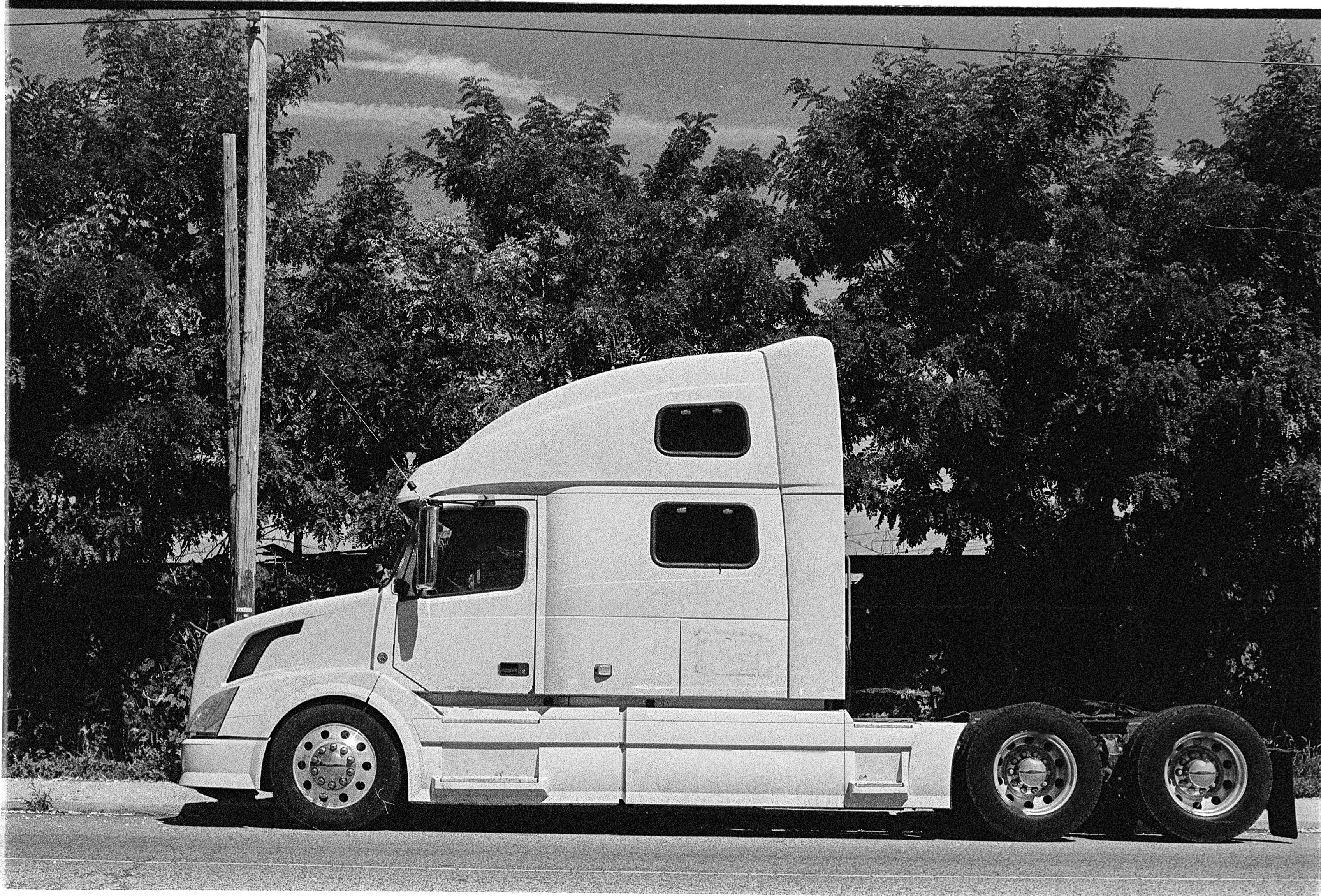
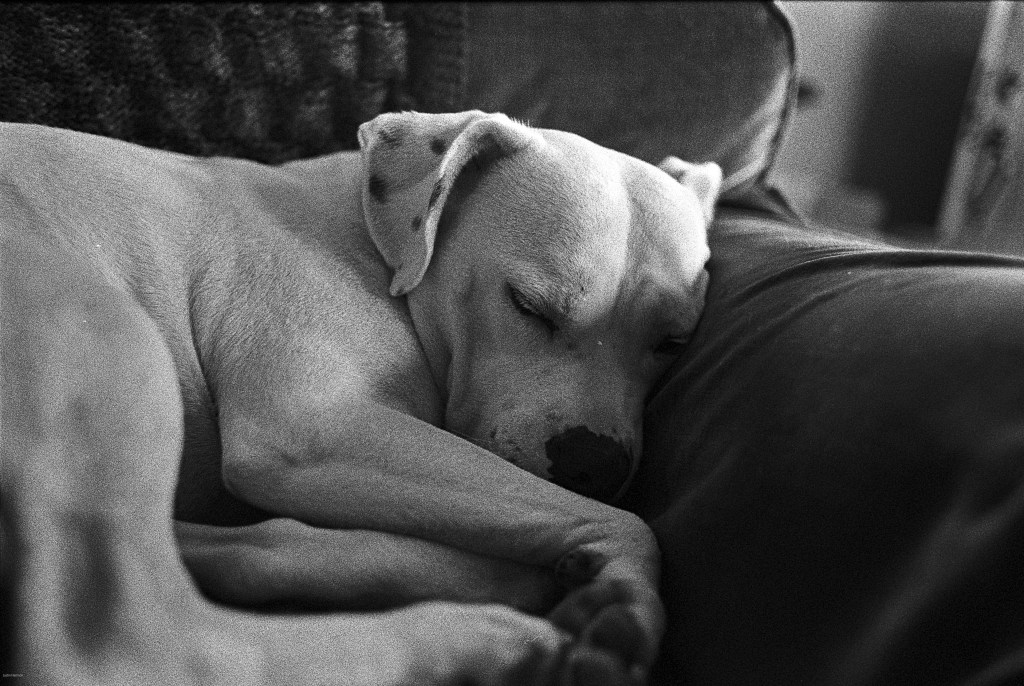
Weirdly, the roll shot at 200 turned out underdeveloped while the one shot at 400 was pretty much perfect. Maybe that was user error ¯_(ツ)_/¯ Maybe it was my 12 year old half empty bottle of Rodinal finally giving up, but it was a surprise as I was mentally prepared for the pushed roll to go sideways since I was playing fast and loose with dev times. Other than that the DDX was pretty well behaved with pretty wide latitude. I’m thinking a nice people and pets film and maybe landscapes/cityscapes. I can see the appeal, it is a very pretty emulsion and It does scan very well, but it’s too clean for me.

So a pretty, fine grained, easy scanning, black and white film, just watch your dev times. But I’m going back to the basic grittier – and cheaper – TriX and HP5 (or FP4 if I want something slower) – which seems to be what I always do after trying something new….